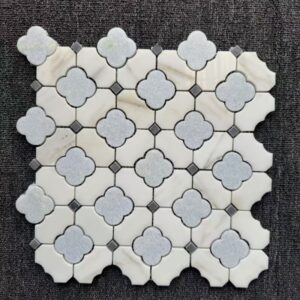
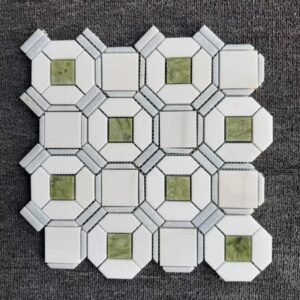
Marble tile is a luxurious and timeless choice for flooring, countertops, and various surfaces. Its natural beauty and elegance can enhance the aesthetic appeal of any space. However, to maintain its pristine condition and protect it from potential damage, considering sealing your marble tile is crucial. Sealing helps create a protective barrier that prevents stains, etching, and moisture penetration. In this article, we will unveil the mystery behind when you should consider sealing your marble tile.
Understanding Marble Tile Porosity:
Understanding marble tile's intrinsic porosity is crucial before discussing when to seal it. Since marble is a naturally porous stone, it has tiny pores and capillaries throughout its composition. These minute fissures are capable of absorbing liquids and other substances, resulting in stains, discolouration, and other types of harm. Marble's porosity can differ, with some varieties being more porous than others.
Performing the Water Test:
You can do a quick water test to evaluate whether sealing is necessary for your marble tile. This test aids in determining the marble's porosity and rate of absorption. How to perform the water test is as follows:
Make sure the marble tile is spotless and uncoated or sealed.
Pour a little amount of water onto the tile surface, about 3 inches in diameter.
Watch the water droplet for about fifteen minutes.
If the marble darkens or discolors as a result of the water absorption, the tile is highly porous and needs sealing.
The marble may already have a good seal or be less porous if the water beads up or drops on the surface rather than being absorbed.
Signs That Indicate the Need for Sealing:
In addition to the suggested frequency for sealing, other symptoms suggest that your marble tile may need sealing even before the planned maintenance. These indicators include:
Stains and Discoloration: If your marble tile is susceptible to stains or displays symptoms of discoloration, the seal has likely worn off or is no longer functional. The original beauty of the tile can be restored and further stains can be avoided with sealing.
Water Absorption: It is a sign that the marble tile needs to be resealed if water droplets are quickly absorbed and cause dark streaks or patches.
Marble is prone to being etched and scratched, particularly by acidic chemicals and pointed things. The tile may need to be resealed to prevent additional damage if you see etching marks or an increase in surface scratches.
Proper Sealing Techniques:
When sealing your marble tile, it's crucial to follow the proper techniques to ensure effective protection. Here are some key steps to consider:
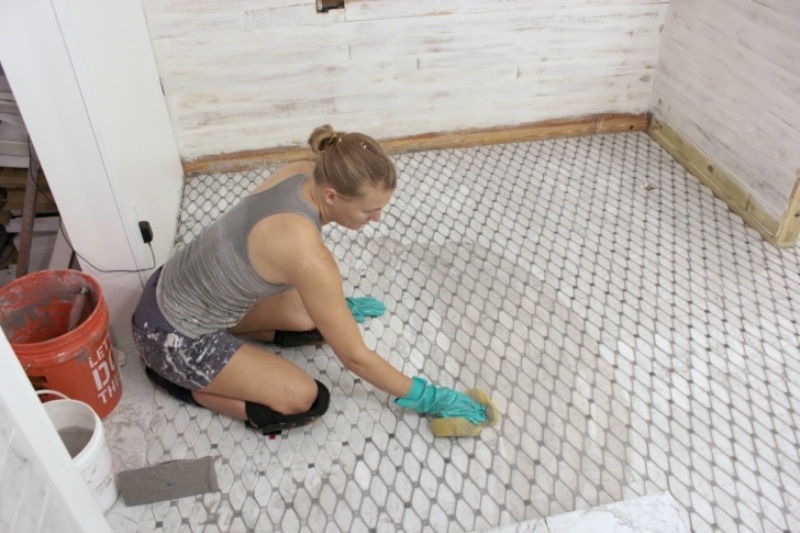
Clean the Tile:Remove any debris, dust, or residue from the tile's surface by cleaning it thoroughly. To prevent harming the tile, use warm water with a light detergent or a pH-neutral stone cleaner.
Test the Sealer: Before using the sealer on the entire surface, carry out a tiny test in a discrete area to make sure it is compatible and will provide the desired effects.
Apply the Sealer:Apply the sealer evenly over the tile surface using a gentle brush or a clean, lint-free cloth. Be sure to adhere to the manufacturer's recommendations for application technique, drying time, and amount of coats.
Remove Extra Sealer: After applying the sealer, remove any extra sealer from the surface with a clean cloth. This process aids in avoiding the development of a blurry or sticky residue.
Allow Drying Time: As directed by the manufacturer, let the sealer dry completely. During this time, stay off the sealed surface and don't walk or set anything down there.
Regular Maintenance and Care:
While sealing marble tile is a crucial step, maintaining proper care and upkeep afterward is just as critical. Here are some pointers for maintaining the top condition of your sealed marble tile:
Spills Should Be Cleaned Up Right Away: Spills should be cleaned up right away to stop them from staining the surface and seeping into the fabric.
Use Gentle Cleaning Solutions: For routine cleaning, use warm water and a gentle detergent or pH-neutral stone cleaners. Avoid using aggressive cleansers or chemicals that can scratch the marble or the seal.
Avoid Scratching or Etching: To avoid scratching or etching the surface, use cutting boards when using sharp objects and coasters under glasses.
Regularly Dust and Sweep:Dust and sweep your marble tile frequently to get rid of dirt, debris, and abrasive particles that could potentially damage the surface.
Reapply Sealer as Needed:Reapply sealant as necessary while keeping an eye on the seal's state over time. Reapplying the sealer can be necessary if you observe a decrease in water repellency or an increase in stains.
Conclusion:
Finally, sealing marble tile is a crucial step in maintaining its beauty and shielding it from stains and harm. You can make sure that your marble tile keeps its elegance and appeal for many years to come by knowing the porosity of the marble, doing routine maintenance, and using the right sealing treatments. Keep in mind to speak with experts for tips and guidance targeted to your particular marble tile and its particular needs.
Related Products