Marble has been a prized material in architecture and interior design for centuries, thanks to its timeless beauty, elegance, and durability. The geometric appeal of rhombus marble tiles, with their diamond-like shape, adds a unique dimension to any space. Whether you're renovating your bathroom, updating your kitchen backsplash, or creating a luxurious living area, selecting the right rhombus marble tile can enhance your space's aesthetic value. This guide will walk you through the essential considerations and steps involved in choosing the perfect rhombus marble tile for your space.
1. Understand the Aesthetic Impact of Rhombus Marble Tile
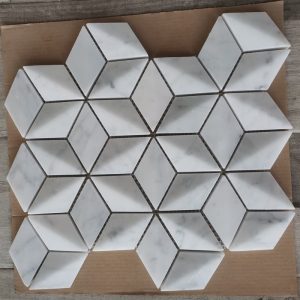
Before diving into material and technical considerations, it’s important to appreciate the unique visual effect that rhombus marble tiles bring. Their geometric shape can create various design patterns, such as chevrons, starbursts, or classic diamond layouts. These patterns can evoke different feelings based on how the tiles are arranged and the type of marble used. They can be laid horizontally, vertically, or at an angle, which can impact the sense of space and movement in a room. Understanding this versatility helps to ensure that the tile will complement your overall design theme.
- Bold, modern look: Rhombus patterns can offer a more modern and dynamic aesthetic, especially when arranged in a high-contrast pattern with alternating light and dark marble colors.
- Classic elegance: For a more traditional or understated look, soft, neutral shades of marble arranged in a classic diamond pattern can evoke timeless elegance.
- Optical illusions: The rhombus shape can also be used to create optical illusions, giving the room a sense of depth and complexity that might not be possible with rectangular or square tiles.
2. Choose the Right Type of Marble
Marble comes in a variety of types and colors, each with its unique characteristics and veining patterns. The choice of marble type for your rhombus tiles will influence the overall aesthetic and functional qualities of your space.
- Carrara Marble: Known for its subtle, soft gray veining on a white or bluish-gray background, Carrara marble is a popular and relatively affordable choice. It offers a classic look that pairs well with both modern and traditional styles.
- Calacatta Marble: This type of marble is more luxurious than Carrara, with bolder, more dramatic veining patterns that typically appear in thicker, more irregular streaks. Calacatta marble can bring a sense of opulence to any room.
- Statuario Marble: Similar to Calacatta but rarer, Statuario marble has thick, dramatic veining on a bright white background. It is often used in high-end luxury projects due to its striking appearance.
- Crema Marfil: A beige or cream-colored marble with subtle veining, Crema Marfil is a great option if you're looking for something warmer and more neutral. It works well in spaces where you want a softer, more natural look.
- Emperador Marble: Emperador comes in darker brown or gray tones, with fine, delicate veining. It’s perfect for creating a rich, sophisticated atmosphere, particularly in more formal settings.
3. Consider Your Space and Lighting
The size, natural light, and function of the room you’re designing will have a significant impact on your choice of rhombus marble tiles.
- Small spaces: In smaller rooms like bathrooms or compact kitchens, lighter shades of marble, such as Carrara or Calacatta, can help make the space feel larger and more open. The reflective nature of polished marble enhances light, making the room feel airy and spacious.
- Large spaces: In more expansive areas like living rooms or open-plan kitchens, you have more freedom to experiment with darker or bolder tiles, like Emperador or heavily veined Calacatta. Darker marble can add a sense of intimacy or luxury, especially when paired with complementary lighting.
- Lighting considerations: Consider how natural and artificial light will interact with the tiles. Polished marble will reflect more light, making it a good choice for dimly lit areas. Honed or matte finishes, on the other hand, absorb light and can provide a more subdued, soft appearance, ideal for spaces where you want to create a calming, serene environment.
4. Tile Size and Layout Patterns
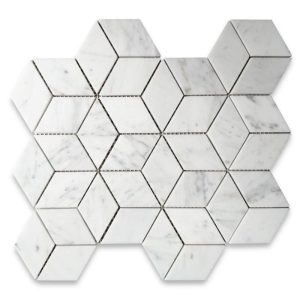
Rhombus marble tiles come in various sizes, from small, mosaic-like tiles to large-format tiles. The size of the tile you choose will depend on the size of the space and the pattern you want to create.
- Smaller tiles: Smaller rhombus tiles are great for intricate patterns or feature walls. They can also be used for backsplashes or in areas where you want to add texture or detail.
- Larger tiles: Large rhombus tiles are ideal for floor installations or expansive wall surfaces where you want to make a bold, clean statement with fewer grout lines.
- Combination of sizes: Mixing different sizes of rhombus tiles can create interesting visual effects and make a space feel more dynamic.
Some common patterns you can achieve with rhombus tiles include:
- Chevron pattern: Aligning the tiles in a V-shaped pattern creates a flowing, continuous look that draws the eye across the surface.
- Diamond pattern: This traditional pattern gives a space a more structured and classic feel.
- Starburst pattern: By rotating the tiles, you can create a starburst effect that works well in central areas like the floor of a foyer or the focal wall of a room.
5. Surface Finish: Polished vs. Honed
The surface finish of your rhombus marble tiles plays a crucial role in the final look and feel of the space.
- Polished finish: Polished marble is smooth, glossy, and highly reflective. It’s an excellent choice for formal or luxurious settings, as it enhances the natural beauty of the marble’s veining and adds an elegant shine to the surface. However, polished marble can be more slippery, especially in areas prone to moisture like bathrooms or kitchens, so it’s important to consider safety concerns in these spaces.
- Honed finish: A honed finish gives the marble a matte, non-reflective surface that feels softer and more understated. This finish is more forgiving when it comes to scratches and wear and provides better slip resistance, making it ideal for floors in high-traffic areas.
6. Maintenance Considerations
Marble, while durable, is a porous material that can be prone to staining, especially if it is left unsealed. Certain substances like acidic foods, wine, or oils can leave marks on marble surfaces if not promptly cleaned. When choosing rhombus marble tiles for areas like kitchens or bathrooms, it’s important to consider how much maintenance you are willing to invest.
- Sealing the marble: Sealing is essential to protect marble tiles from stains and moisture. Depending on the type of marble and the location of the tile, sealing may need to be done annually or biannually.
- Cleaning: Marble should be cleaned with pH-neutral cleaners that are specifically designed for natural stone. Avoid acidic or abrasive cleaners, as they can damage the marble’s surface over time.
- Grout maintenance: The grout lines between the tiles also require attention. Light-colored grout can show stains, so using a darker grout may help maintain a clean appearance over time. Sealed or epoxy grout is a good option for reducing grout maintenance.
7. Budget Considerations
Marble is often seen as a luxury material, and the cost of rhombus marble tiles can vary significantly depending on the type of marble, the size of the tiles, and the complexity of the pattern you want to achieve.
- Material costs: Carrara marble is typically more affordable than Calacatta or Statuario marble, so if you’re working with a tight budget, it may be worth exploring options in Carrara or even engineered marble.
- Installation costs: Rhombus tiles, particularly if they are small or part of an intricate pattern, can require more time and precision to install, which can drive up labor costs. Be sure to factor installation into your overall budget.
8. Final Thoughts
Choosing the right rhombus marble tile involves balancing aesthetic desires with practical considerations such as the size of your space, lighting conditions, and maintenance needs. By understanding the different types of marble, how they interact with light, and the variety of patterns you can create, you’ll be well-equipped to select the perfect tile for your home. Whether you’re aiming for a classic, modern, or eclectic look, rhombus marble tiles offer a versatile and stylish solution that will elevate the elegance of your space.