Trending
In the high-end stone world, few materials are as attention-grabbing as marble mosaic, especially when combined with a distinct marble type like Calacatta Amber Marble. This combination is particularly popular in the interior of homes and restaurants. Over the past few years, the demand for beautiful, subtle, and design-forward tile has increased significantly - this is primarily due to the popularity of natural stone, undervalued luxury, and patterning.
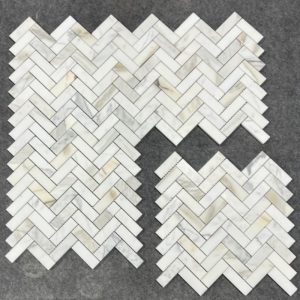
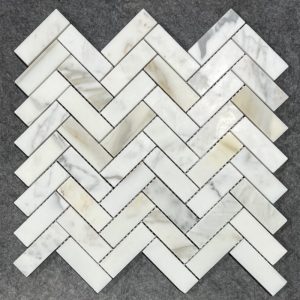
The term " Calacatta Amber honed marble herringbone mosaic" accurately describes a specific niche: it denotes a patterned stone composed of small Marbles from Calacatta Amber, arranged in a herringbone pattern, with a honed (matte/satin) finish instead of a polished appearance. This amalgamation fascinates architects, designers, and clients who seek a harmony between beauty, longevity, and design variety.
In this article, we will discuss:
- What is the Calacatta Amber marble's composition, appearance, and performance?
- What the term means, its historic context, and design principles.
- The combination of these two things results in a superior product that has a premium purpose and is most appropriate for use cases that are specific to it.
- Technical considerations: slicing, honing, installation, sealing, and maintenance.
- Pros and cons in comparison to other types of marble floors, finishes, and patterns.
- Specification, procurement, and quality control tips.
For any tile manufacturer, stone craftsman, or consumer who is considering the superiority of premium marble flooring, understanding these aspects will help ensure the proper choice of product, optimal installation, and long-term satisfaction with the client.
Understanding Calacatta Amber Marble — What It Is?
-
Geological & Visual Abilities
Calacatta Amber marble is a type of natural marble that is celebrated for its singular striving, coloring, and aesthetic merits. Compared to the classic white Calacatta or Carrara marbles, Calacatta Amber typically has a warmer tone: amber, beige, soft gold, or cream. It may have a veining that is either subtle or prominent. These earthy, atmospheric tones make it particularly suited for design schemes that seek to underplay the luxury, inviting but formal ambience, or a natural stone's warmth instead of the cold gray of "Cool" marbles.
The natural diversity of Calacatta Amber is present in the color, veining, and pattern of the stone, which means that each piece or sheet of stone may have a slight difference. When employed in mosaic style, this variation can enhance the beauty, depth, and handcrafted feel of the surface.
-
Honed Final: What's the importance?
A honed finish is characterized by the marble's surface being ground to a smooth, sheenless, or matte appearance - soft to the touch, non-glazed, and with a limited reflection. For Calacatta Amber marble, the use of a honed edge for marbled pieces has multiple benefits:
It focuses on the natural, warm tones that lack glare; this is particularly popular in interior design that seeks a subtle, graceful effect.
It decreases the slipperiness of the stone compared to the polished stone; this is beneficial for installations that involve safety, such as in bathrooms, kitchens, or wet areas.
It covers smaller scratches and wear over time more effectively than highly polished marble; this attribute helps to maintain a refined appearance for a longer period of time.
It aligns more favorably with rural, modern, or naturalistic styles of interior design; the objective there is a more mellow, soft stone aesthetic than high gloss.
For installations that use mosaic materials, the honed surface typically decreases the contrast of small gaps or lines of grout, which results in a more uniform, "less seamless" stone surface after installation.
What Is a Herringbone Mosaic — Pattern, History, and Design Logic
-
Definition and Historical Roots
A herringbone pattern is made up of rectangular pieces (or stone slabs) that are arranged in a staggered, zig-zag fashion, each piece is laid at a 45-degree angle, or another angle, so that the end of one piece intersects the side of another, producing a "V"-like or zig-zag pattern. This pattern has an architectural heritage that is documented in ancient roads and classical masonry. The pattern is used for its structural association and visual liveliness. Eventually, it became a popular design element in flooring, tiling, wood parquet, and mosaic projects.
When this pattern is employed with small slabs or plates, but not with large ones, we term it a herringbone mosaic. In effect, multiple small, cut-to-size stone tiles are mounted on mesh or paper backing (or loose), allowing easier installation while preserving the intricate pattern.
-
What is the reason for Herringbone's involvement in Mosaic Marble?
The use of the herringbone pattern for the marble mosaic is beneficial:
Visual interest and dynamic texture: The zigzag nature is apparent, as well as the light and shadow that it produces. This creates an animated but still pleasing surface that changes appearance based on the lighting and viewing angle. For the honed Calacatta Amber, this increases the depth without overzealous brilliance.
Flexibility in design: Herringbone patterns can be employed on floors, walls, showers, and other surfaces, which provides flexibility in the design of interior spaces.
Perceived craftsmanship and value: Because herringbone is dependent on precise placement and alignment, it often communicates quality craftsmanship and value, which appeals to high-end design clients.
Grout-joint control and load distribution (for flooring): The non-aligned design distribution of load across multiple joints reduces the stress concentration. When combined with quality grout and a subfloor, it can increase the durability of the flooring.
As a result, combining a warm, natural marble like Calacatta Amber with a herringbone pattern and honed finish that is both traditional and modern offers a balanced, high-end aesthetic that combines tradition, natural stone attributes, and modern fashions.
Applications: Where Calacatta Amber Honed Marble Herringbone Mosaic Shines
Because of its material properties and visual appeal, Calacatta Amber is particularly suited for the following endeavors:
Residential interiors: Living rooms, fireplaces, bathrooms, kitchens, and flooring in dining or other areas, especially in homes with a warm, natural, contemporary, or transitional design.
Bathrooms and showers surrounds: The honed surface reduces the risk of slipping; the warm tones and patterned mosaic add the spa-like softness and beauty.
Luxury accommodations and boutique hotels: Lobbies, guest rooms, and feature walls — all of these have a premium finish that indicates quality and distinction.
Commercial spaces and retail stores: High-end retail spaces, showrooms, or office areas that are waiting to be filled - the patterned mosaic creates a complex, textured background that doesn't overwhelm the rest of the design.
Custom furniture or built-in elements: For instance, table tops that are decorated with mosaic, islands that are decorated with marble mosaic, or columns that are decorated with fabric. This material can be durable and beautiful as a surface coating.
Accent details and borders: Mosaic strips or panels are employed to highlight transitions, for example, in combination with larger marble slabs or other materials. Mosaic is used as a decorative band or as a framework.
Because of the design's flexibility, this product is popular in both residential and commercial markets, and it also appeals to clients who want a stone product that is both beautiful and safe, with a non-slip finished product that is patterned.
Technical Considerations: Installation, Cutting, Sealing, and Maintenance
Working with a highly textured material like Calacatta Amber that has a high-end finish like the herringbone design on Marble demands that you pay attention to the technical aspects during creation, installation, and regular maintenance. Here are the critical aspects and the most effective practices:
-
Precision in Cutting and Fashioning
Stone Cutting and Size: Mosaic components must be cut with accuracy in order to ensure uniformity. This is especially true of the herringbone pattern, the pattern is based on precise angles and consistent dimensions. A slight deviation in size can lead to misalignment of the pattern and the creation of uneven joints in the grout.
Backing and mesh versus loose tiles: Many products that are mosaic are pre-packaged on mesh to facilitate installation and ensure accuracy in the design. For stone slabs, choosing a quality substrate (water-resistant, long-lasting adhesive, stable mesh) is crucial to avoiding future delamination or movement.
Edge treatment and batching: Because natural marble is subject to variation, it's recommended that you sort and match your marble in order to minimize the visual distinction caused by veining or color change. This is of great importance to projects that have large walls or floors that are covered.
-
Subfloor Preparation and Installation Method
The proper use of mortar and adhesive: For marble mosaic, a superior, non-slumping, polymer-based mortar is employed that ensures strong adhesion.
Flatness and leveling: The substrate (floor or wall) must be flat and consistent; unevenness can lead to poor contact, empty spots, or failure. For floors, a solid backer board or solid substrate with appropriate leveling is necessary.
Grout choice: Select a grout that is compatible with the honed marble and intended use (wall versus floor, wet area versus dry). For floors that are either wet or have a coating of epoxy, water-resistant grout or cement is most likely to be employed. The color of grout should be selected with care to complement the marble tones: neutral or warm grout is often the best option for complementing Calacatta Amber's coloration.
Sigillatura: Marble is permeable. For vulnerable surfaces that are prone to moisture (bathrooms, kitchens), it's recommended that you seal both before and after the installation of the grout. Constant repairs are necessary based on the frequency of use. Sealing is beneficial because it prevents staining, water percolation, and protects against damage.
On-site cutting and finalization: For boundaries or bordering tiles, utilize appropriate wet saws with diamond blades to cut marble. After slicing, the edges should be scrubbed or flossed to prevent chipping.
-
Maintenance and Long-Term Care
Pulizia: Employ pH-appropriate, stone-free cleaners. Avoid acidic cleaners (such as vinegar, lemonade, or harsh detergents) that can degrade the surface of marble. For a honed outcome, avoid damaging scrubbing that might adversely affect the matte surface.
Sealing regimen: This varies according to the purpose of the sealant; the frequency of re-sealing is either annually or every 3 years, as needed. In kitchens, areas with high traffic, or wet areas, more frequent sealings are likely necessary.
Repair of damaged tiles: Because of the small size of the mosaic pieces, it is more difficult to replace or reset individual tiles than larger slabs. This is particularly true of patterns that are aligned in a specific direction; the need for careful matching of size, thickness, pattern, and polishing is apparent.
Maintenance of grout: Over time, grout may become discolored or corrupt — schedule regular checks and re-grouting if necessary. This is especially true of wet areas.
By paying attention to these technical aspects, specifiers and installers will guarantee that the final product meets the aesthetic goal and provides long-lasting performance.
Pros & Cons — Why Choose (or Not Choose) Calacatta Amber Hinted Herringbone Mosaic
Understanding trade-offs helps in deciding when this material and pattern make sense.
-
Vantaggi
Aesthetic diversity and natural stone luxation: The warm tones, veining, and natural variety of Calacatta Amber marble promote a distinct sense of style, especially when organized in a herringbone pattern.
Constantly evolving design: The herringbone pattern is traditional and yet contemporary — it is effective in classic, contemporary, rustic, or transitional decorations.
Honed surfaces have a smooth finish that offers safety and subtle sophistication: They are less slippery than polished surfaces, they are more forgiving of wear and scratches, and they are safer in wet areas (bathrooms, showers).
Design flexibility and versatility: Tiles are employed on walls, floors, backsplash, feature walls, and custom surfaces. Mosaic format is simpler to install than large slabs, and it can be used in both residential and commercial projects.
Perceived value and commercial appeal: For retailers, high-end residential, hospitality, and other areas, this style of communication conveys quality, sophistication, and craftsmanship.
-
Disparities and substitutes
Costo: Natural marble is typically expensive; the labor and installation costs for mosaic (the precision of the cut, the grouting, and the sealing) are higher than for standard ceramic or porcelain.
Variations between pieces: Natural stone variations can lead to visual differences; these differences need to be accounted for, and quality needs to be maintained.
Maintenance demands: Marble is typically sealed and maintained on a regular basis; the honed surface may show stains, watermarks, or wear over time that is greater than the polished surface, depending on the care taken.
Fragility and damage potential: Marble is more susceptible to chipping, scratching, and etching, and can have a weaker mosaic joint and grout line.
The installation process: Mosaic herringbone is difficult to accomplish; it requires professional installation to ensure that the pattern is aligned. This is not ideal for people who are inexperienced at the DIY process.
As a result, while the pros often have a greater advantage over cons in high-end, design-based projects, decision makers should be cognizant of the environment, budget, and maintenance requirements before committing to this option.
Specification and Procurement — What to Check When Sourcing
For those involved in architecture, interior design, or procurement who want to use Calacatta Amber as a stone for their projects, it's important to specifically describe and scrutinize it closely. Items that should be included in the specifications and quality control lists:
Stone's origin and grading: Ensure that the marble is genuine Calacatta Amber; request samples of the panel to assess the veining, color, and consistency.
Complete quality: Ensure the honed surface is uniform, with no extra polishing, no glaze, no pits or gaps.
Tile/ mosaic size and conformability: Each piece should have the exact size, angle, and thickness requirements; the mosaic sheet should consistently maintain its alignment and spacing over the mesh or substrate.
Backing and adhesive (for mesh-based mosaic): Utilize water-resistant and long-lasting backing; the adhesive should also resist moisture, heat, and regular wear.
Mortar, grout, and specifications regarding sealing: Describe the compatible mortar (thin-set), grout (water-resistant, appropriate for marble), and sealer (impregnating or direct) with a re-sealing schedule.
Numbering of batches/recordability: For larger projects, ensure that the numbering of batches and recordability are manageable in order to accommodate variation and replacement tile composition.
Safety and environmental requirements: Take into account the slip resistance (primarily on the floor), the moisture resistance (in bathrooms), the suitability of the product (on the wall or the floor), and the maintenance advice for the end user.
Approval sample: For larger installations, request a mock-up panel (e.g., 1 m2) to assess the pattern's alignment, color, grout, and finish before full order.
By thoroughly reviewing and inspecting the specifications, buyers can reduce the risk of buying the wrong thing, ensure consistency in the installation of the thing, and provide final installations that are both aesthetically pleasing and functional.
Market Trends & Demand Drivers (2025) for Natural Marble Mosaics
By 2025, several market trends will continue to affect demand for natural Marmarita Mosaics like Calacatta Amber:
Luxury residential and hospitality repairs in the boom: Increasing demand for superior finishes in projects of repairs and high-end construction. Marble flooring offers a luxurious appearance.
The interior design movement of recent years has favored natural materials and warm tones; this movement is away from the cold, industrial minimalism of the past toward a more tactile, natural stone surface; the movement of honed warm marbles is in line with this shift.
Increased popularity of interior design that combines wood, metal, stone, and a warm-toned marble mosaic. This design combination is appropriate for wood flooring, matte metals, and natural fibers.
The growth of boutique hotels, health spaces, and high-end rental properties— these properties often have custom stone floors in their bathrooms, hallways, and features.
Request for customization and small batch production of artisanal-style tiles — smaller-sized mosaic tiles facilitate more versatile, customizable designs than standard large slabs.
These factors indicate that high-quality marble mosaic will likely remain a stable area with growth potential. This area is ideal for suppliers and craftsmen who can produce consistency, quality, and design flexibility.
Summary & Recommendations
Calacatta Amber's honed marble design offers a singular combination of pleasant natural stone aesthetics, patterned sophistication, and design flexibility that is particularly suited to luxury residential, hospitality, and commercial spaces that have a design-forward approach.
Its honed surface increases safety, subtlety, and the handling of wear, all of which are enhanced by the herringbone pattern. This adds visual interest, texture, and craftsmanship value.
For the greatest effect, technical expertise is crucial — precise cutting, accurate guidance, meticulous selection of mesh, proper mortar application, seals, and maintenance.
The process of procuring should include stringent requirements and quality monitoring that will manage the natural variation in the batch and ensure that it is consistent.
While the cost and maintenance are higher than typical stone or tile, the perceived value, design impact, and long-term desire often justify the investment, particularly when it comes to luxury, atmosphere, and aesthetic value.
Recommended for Stakeholders: If your endeavor is intended to produce high-end results, aesthetic appeal, and design sophistication, then specifications regarding Calacatta Amber are a powerful choice. For retailers or tile suppliers, creating a documented specifications sheet, sample kit, and guidance for clients (installation and care) will assist in ensuring satisfaction and reducing the number of problems after the sale.
Conclusione
Natural stone, especially marble, has remained a popular choice for the interior of homes for many years. The amalgamation of Calacatta Amber marble, a honed finish, and a herringbone pattern that is both simple and complex creates a particularly harmonious combination: warmth, texture, sophistication, and timeless design. For those involved in architecture, design, production, and consumption who seek to create spaces that have a refined, yet inviting, appearance, while also being natural and simple, this option is notable.
As materials that are traditionally made evolve towards authenticity, natural colors, and personalized design, high-quality marble slabs have continued to be popular. With specific attention to detail, installation, and regular maintenance, Calacatta Amber honed marble has the potential to offer a variety of benefits, including a long lifespan, durability, and design value.