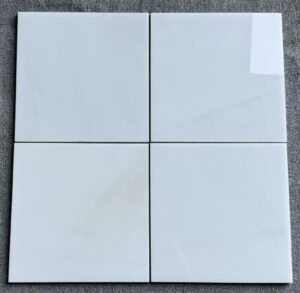
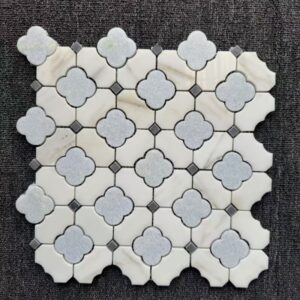
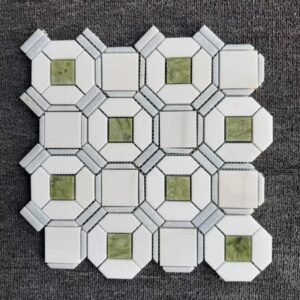
travertino mosaico Versailles is a specific type of natural stone flooring or wall covering that is revered for its timeless elegance, durability, and sophisticated aesthetic. Travertine is a form of limestone deposited by mineral springs, especially hot springs, and has been used as a building material since ancient times. The "Versailles" pattern, also referred to as the French pattern, is a particular design arrangement that involves tiles of different sizes, arranged in a seemingly random, yet calculated, mosaic. This pattern, combined with the natural beauty of travertine, creates an appealing and luxurious surface that has been a favorite in interior and exterior design for centuries.
Understanding the appeal and features of Versailles mosaic travertine requires an exploration of its characteristics, production, installation, and practical uses. This article will delve into the details of Versailles mosaic travertine, focusing on what makes it a popular choice for homeowners, designers, and builders alike.
If you want to know more about mosaico di marmo tiles, come to Xiamen (China) Sino Cheer Industrial Co., Ltd for consultation!
What Is Travertine?
Before understanding the travertino mosaico Versailles, it’s essential to grasp the nature of the material itself — travertine. Travertine is a type of limestone, primarily composed of calcium carbonate, which is formed by the rapid precipitation of calcium carbonate in mineral springs, rivers, or underground water sources. It is a sedimentary rock that often contains visible layers or bands, giving it a distinctively textured look.
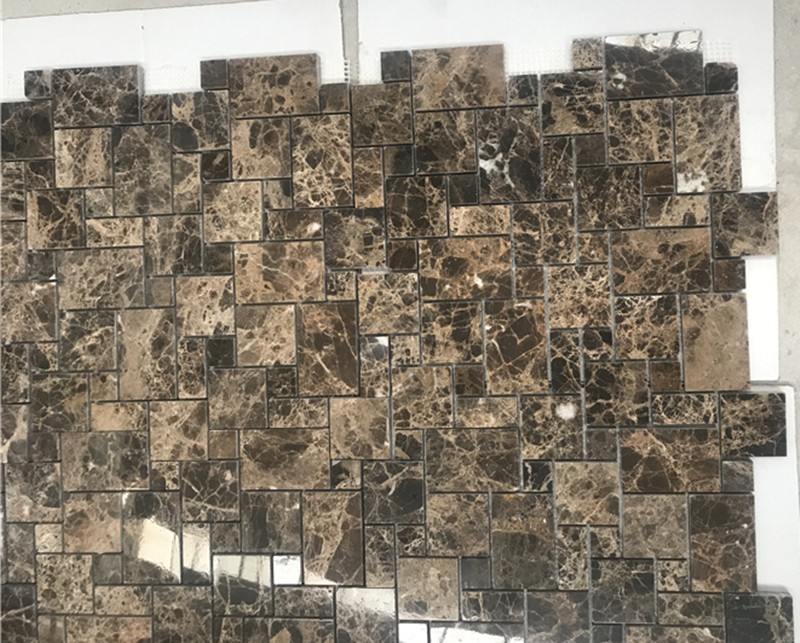
Characteristics of Travertine
- Porosity: Travertine is porous, meaning it has small holes or voids that are formed naturally during its creation. This gives the stone a somewhat rough texture, though it can be polished to achieve a smooth finish. The porous nature requires the stone to be sealed, especially when used in high-moisture areas such as bathrooms or outdoor settings.
- Color Variations: Travertine is known for its warm, earthy tones, typically ranging from ivory and beige to tan, brown, and even gold or red hues. The variations in color make each travertine tile unique, adding to its natural appeal.
- Durata: As a natural stone, travertine is quite durable and capable of withstanding high traffic, making it ideal for flooring. However, it is softer than other stones like granite, meaning it can be more prone to scratches or chips if not properly maintained.
- Timeless Aesthetic: Travertine has been used in architecture for thousands of years, from Roman buildings to modern-day homes. Its classic appearance has made it a timeless choice for many design applications.
What's the difference between travertine and ceramic tile?
| Characteristic | Travertine | Ceramic/Porcelain Tile |
| Material Source | Natural sedimentary rock, unique natural texture | Artificially fired products can imitate a variety of stone textures |
| Appearance aesthetics | Naturally high-end and unique, suitable for luxurious spaces | Various colors and styles, uniform style, mass production possible |
| Hardness and wear resistance | Soft, average wear resistance, easy to scratch | High hardness, strong wear resistance and scratch resistance |
| Assorbimento d'acqua | High water absorption, easy to seep water and change color | Low water absorption and good waterproof performance |
| Stain resistance | Easy to absorb stains, need protective agent | Dense surface, strong stain resistance, easy to clean |
| Weather resistance | Outdoor use requires protection and is susceptible to freezing and thawing | Strong adaptability, can be used indoors and outdoors for a long time |
| Costo | The material price is high, and the processing and maintenance costs are high | The price range is wide, from economical to high-end |
| Maintenance requirements | Requires regular protective treatment (anti-seepage, anti-fouling, waxing) | Basically maintenance-free, only occasional cleaning is required |
| Service life | Proper maintenance can be used for a long time, but durability is affected by the environment | Long service life, suitable for high traffic areas |
| Application Scenario | High-end residences, hotel lobbies, interior wall and floor decoration | Widely used in residential, commercial spaces, outdoor paving, etc. |
Summary:
Travertine is more suitable for high-end interiors seeking a natural, luxurious feel.
Porcelain tile is more suitable for applications that require durability, low maintenance, and wide application, especially outdoors or in high-traffic areas.
What colors go well with travertine tiles?
Travertine tiles are mostly beige, light gray, and cream-coffee, which are neutral tones. They pair well with:
- Dark colors (dark gray, black, wood tones): Create a strong contrast and enhance the sense of depth in a space.
- Light colors (white, cream, off-white): Create a simple and bright overall look, creating a lightly luxurious atmosphere.
- Metallic colors (gold, copper, brushed stainless steel): Emphasize a modern and luxurious feel.
Can travertine be used outdoors?
Travertine itself can be used outdoors, but due to its high water absorption and limited weather resistance, it is susceptible to rain, freezing and thawing, and pollution without professional protection, causing efflorescence, weathering, and color changes.
Is travertine suitable for outdoor use?
With waterproofing, stain-repellent treatment, and surface reinforcement, travertine can be used for outdoor walls, landscaping, garden paving, and other applications. However, for durability and low maintenance, imitation stone tiles or high-density granite are more recommended.
What Is Versailles Mosaic Pattern?
Il Versailles mosaic pattern, also known as the French pattern, is a design layout that combines tiles of various sizes to create a distinctive, complex look. This pattern is typically composed of four different tile sizes that are arranged to form an interlocking design, which can be repeated indefinitely across large surfaces. The specific sizes commonly used in the Versailles pattern include:
- 16 x 24 inches
- 16 x 16 inches
- 8 x 16 inches
- 8 x 8 inches
These tiles are arranged in a way that no grout lines form a straight line, giving the surface a more organic and random appearance. Despite this "random" look, the pattern is carefully planned and repeated, providing a consistent yet varied aesthetic.
The Appeal of the Versailles Pattern
- Visual Interest: The mixture of tile sizes creates a unique, eye-catching mosaic that draws attention to the surface. The non-linear grout lines add texture and movement to the space, which can make an area feel larger and more dynamic.
- Versatilità: The Versailles pattern is highly versatile and can be used in various settings, including indoor and outdoor applications. It can complement both contemporary and traditional designs, depending on the finish and color of the travertine.
- Eleganza senza tempo: The French pattern is reminiscent of old-world European architecture, giving any space an elegant and classical feel. This is especially true when paired with natural travertine stone, which enhances the traditional aesthetic.
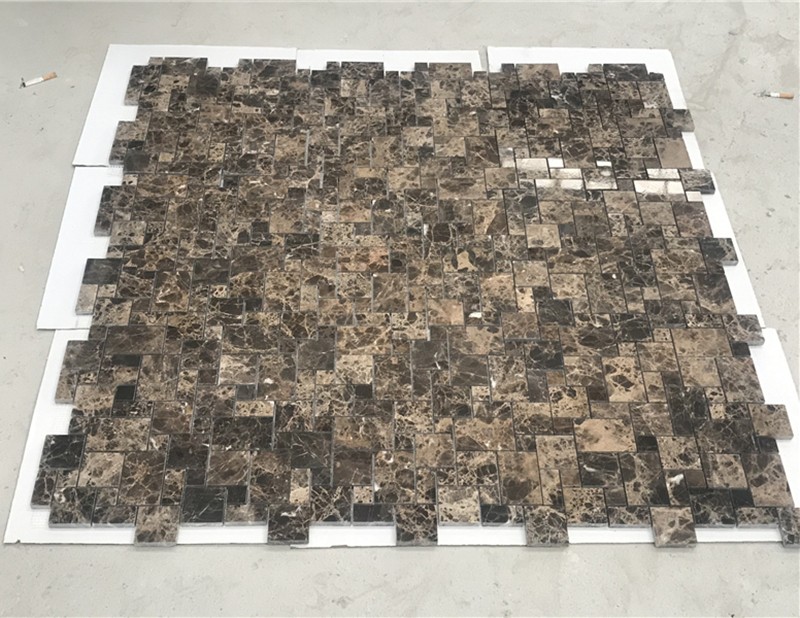
Versailles Mosaic Travertine: A Marriage of Material and Pattern
When travertine is used in the Versailles mosaic pattern, it creates a surface that is both luxurious and durable, with a sense of depth and complexity. The natural variations in color and texture of the travertine, combined with the intricate layout of the Versailles pattern, make it a highly sought-after choice for high-end residential and commercial projects.
Advantages of Versailles Mosaic Travertine
- Estetica: One of the most significant advantages of Versailles mosaic travertine is its aesthetic appeal. The combination of natural stone with the intricate pattern provides an elegant and sophisticated look that is difficult to achieve with other materials. The warm, earthy tones of travertine, paired with the geometric layout of the Versailles pattern, make this a stunning choice for flooring, patios, and walls.
- Durata: Travertine is a durable stone that can withstand heavy foot traffic, making it ideal for use in high-traffic areas like entryways, kitchens, and outdoor patios. When properly sealed and maintained, travertine can last for decades without showing significant wear.
- Resistenza allo scivolamento: One of the benefits of the textured surface of travertine is that it provides natural slip resistance, especially when used in outdoor settings or around pools. The porous nature of the stone, when left unpolished or given a honed finish, adds to its ability to prevent slipping, making it a safe option for areas that may get wet.
- Versatilità nel design: Versailles mosaic travertine is versatile in terms of its design applications. It can be used both indoors and outdoors, on floors, walls, and even ceilings. Its natural beauty complements a variety of design styles, from rustic to contemporary.
- Isolamento naturale: Travertine is a natural insulator, which means it helps regulate the temperature of a space. It remains cool to the touch during hot weather and retains warmth during cooler months, making it an ideal material for flooring in both warm and cold climates.
Versailles Mosaic Travertine Maintenance Guide
- Pulizia quotidiana
Mild Cleaners
Use a neutral stone-specific cleaner or warm water to clean. Avoid acidic or alkaline cleaners to prevent corrosion.
Soft Tools
It is recommended to use a soft cloth or sponge for cleaning. Avoid steel wool or hard brushes to avoid scratching.
Address Stains Promptly
Stains such as coffee, red wine, and oil should be removed immediately to prevent them from seeping into the pores and causing permanent stains.
- Manutenzione regolare
Applying Protective Agent
After initial installation, apply a penetrating stone protector to the entire surface to create a stain-resistant layer.
Reapply every 1–2 years, depending on the operating environment.
Polishing and Waxing
Interior decoration can be waxed regularly to enhance gloss and stain resistance.
Be careful to avoid using products containing silicone wax, as they may affect breathability.
Caulking and Repairing
Travertine has natural pores. If there are any chips or cracks, they should be repaired promptly with a specialized stone filler.
3. Special Environment Care
Kitchen/Dining Room
Additional protection against oil stains is recommended. Removable tablecloths or mats are recommended.
Bathroom/Outdoor
Increase waterproofing and regularly inspect the protective layer for wear.
Outdoor areas should be aware of freeze-thaw cycles to prevent moisture from penetrating and causing cracks due to temperature fluctuations.
- Avoiding Misconceptions
Avoid strong acid cleaning: Vinegar, lemon juice, and toilet cleaners can damage the travertine surface.
Avoid heavy impacts: Travertine is relatively brittle and can easily chip or break when struck by hard objects.
Avoid prolonged standing water: Continuous moisture can cause efflorescence, mold, and color loss.
Avoid arbitrarily renovating: Polishing or grinding should be performed by a professional stone care company.
- Recommended Maintenance Cycles
Daily: Clean spills promptly and wipe with a damp cloth weekly.
Quarterly: Check for cracks, holes, or wear in the protective layer.
Annual: Perform a thorough cleaning and apply a protective agent.
Long-term: Depending on the environment, consider professional renovating every 5–8 years.
Installation of Versailles Mosaic Travertine
The installation of travertino mosaico Versailles requires precision and expertise. Due to the varying sizes of the tiles and the complex layout, it is generally recommended that professional installers handle the job. The process involves careful planning to ensure that the pattern repeats correctly without forming straight grout lines, which could detract from the overall design.
Steps in Installation
- Surface Preparation: The surface where the travertine will be installed must be properly prepared, ensuring it is level and free of debris. Any unevenness could cause the tiles to shift or crack over time.
- Pianificazione del layout: Given the complexity of the Versailles pattern, a dry layout is often performed first. This allows the installer to ensure that the tiles fit correctly and that the pattern flows seamlessly across the surface.
- Mortar Application: Once the layout is determined, a thin layer of mortar is applied to the surface, and the tiles are carefully placed according to the pattern.
- Stuccatura: After the tiles are set, the grout is applied between the tiles. Depending on the desired aesthetic, the grout lines can be flush with the tile surface or recessed slightly.
- Sigillatura: Travertine must be sealed to protect it from stains and moisture. The sealer also enhances the natural colors of the stone, giving it a richer appearance.
Conclusione
travertino mosaico Versailles is a luxurious and timeless option for flooring and wall coverings, combining the natural beauty of travertine stone with the intricate and classic Versailles pattern. Its durability, versatility, and aesthetic appeal make it a popular choice for homeowners and designers seeking a high-end finish. While it does require proper installation, maintenance, and sealing, the result is a stunning, long-lasting surface that adds value and elegance to any space. Whether used in an indoor setting or outdoors, Versailles mosaic travertine offers both beauty and functionality, making it a prized material in the world of architecture and design.