What is a Versailles Mosaic?
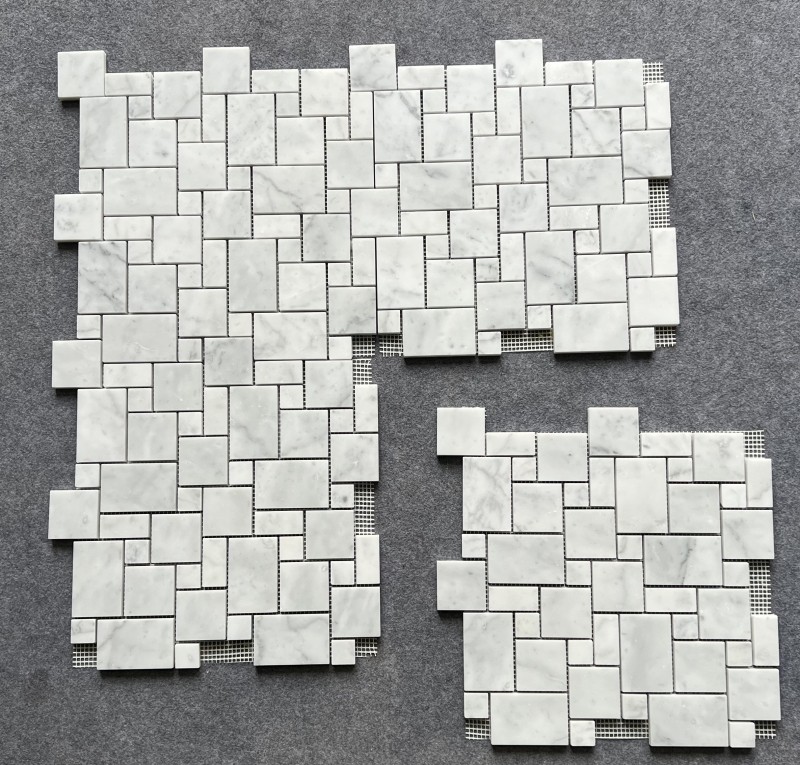
A Versailles mosaic is a stunning and intricate tile pattern that originated in the grand palaces and chateaus of 17th-century France. This unique and timeless design is characterized by its geometric layout, featuring a combination of square and rectangular tiles arranged in a symmetrical pattern. It is renowned for its elegance and sophistication, making it a popular choice for homeowners and designers looking to add a touch of luxury to their spaces.
History
The Versailles mosaic pattern takes its name from the Palace of Versailles, a magnificent royal residence located near Paris, France. The palace was originally built as a hunting lodge for King Louis XIII but was later transformed into a lavish palace by his son, King Louis XIV, in the 17th century. As part of the palace's extensive renovations, the renowned landscape architect André Le Nôtre designed the palace's gardens, including the iconic Hall of Mirrors.

The Design of Versailles Mosaics
It is characterized by its intricate geometric layout, which typically includes a central square surrounded by four rectangles. These elements are then surrounded by a border of smaller squares and rectangles, creating a symmetrical and visually striking design. The pattern is often created using marble or other natural stones, which add to its luxurious appeal.
Versatility
Versailles Mosaics are incredibly versatile and can be used in a variety of applications. In addition to their traditional use as flooring in grand palaces and estates, they are also popular in residential settings. Homeowners often use it to add a touch of elegance to their kitchens, bathrooms, and entryways, creating a luxurious and timeless look.
Installation
Installing them can be a complex process, requiring precision and attention to detail. The first step in installing a Versailles mosaic is to prepare the subfloor, ensuring it is clean, flat, and level. Once the subfloor is prepared, the tiles can be laid out according to the pattern, starting from the center and working outward. One of the challenges of installing it is ensuring that the tiles are properly aligned and spaced. This requires careful measurement and cutting of the tiles to fit the pattern. Additionally, the tiles must be properly sealed to protect them from moisture and stains, ensuring they remain beautiful for years to come.
How is a Versailles Mosaic Different from Other Tile Patterns?
A Versailles mosaic is a unique and intricate tile pattern that sets it apart from other traditional tile layouts. This article will explore its distinctive features it and compare them with other tile patterns to highlight their differences.
- Complexity of Design:
- They are renowned for their complex and intricate designs, often featuring a combination of square and rectangular tiles arranged in a specific pattern. This complexity sets them apart from simpler tile patterns like the straight lay or diagonal lay, which use tiles of the same shape and size.
- The Versailles pattern typically includes a mix of tile sizes, such as 8x8, 8x16, and 16x16 inches, arranged in a repeating, interlocking fashion. This creates a visually appealing layout that adds depth and dimension to any space.
- Variation in Tile Shapes and Sizes:
- Unlike other tile patterns that use uniform tiles, Versailles mosaics incorporate a variety of tile shapes and sizes, including squares, rectangles, and sometimes even octagons. This variation adds visual interest and complexity to the design, making it a popular choice for high-end flooring and wall installations.
- The use of different tile sizes in a Versailles mosaic allows for more creative freedom in design, as the tiles can be arranged in various configurations to create unique patterns and layouts.
- Traditional Aesthetic Appeal:
- They are often associated with a more traditional or classical aesthetic, reminiscent of the grand palaces and estates of Europe. This is due to their intricate designs and use of natural stone materials like marble and travertine, which have been used for centuries in upscale architectural projects.
- In contrast, other tile patterns like the subway or herringbone are more commonly associated with modern or contemporary design styles, featuring simpler layouts and materials like ceramic or porcelain.
- Versatility in Application:
- While they are commonly used for flooring in entryways, kitchens, and bathrooms, they can also be used for wall installations to create a dramatic focal point. Their versatility in application sets them apart from other tile patterns that may be more limited in their use.
- Additionally, they can be used indoors or outdoors, making them a versatile choice for both residential and commercial projects. Their timeless appeal and durability make them suitable for a wide range of applications.
- Installation Challenges:
- Due to their intricate designs and variation in tile sizes, Versailles mosaics can be more challenging to install compared to other tile patterns. Proper layout and spacing are critical to achieving the desired look, and precision cutting may be required to fit the tiles together seamlessly.
- In contrast, simpler tile patterns like the grid or straight lay are easier to install and may be more suitable for DIY projects or those with limited experience in tile installation.
Conclusion
In conclusion, a Versailles mosaic stands out from other tile patterns due to its complexity of design, variation in tile shapes and sizes, traditional aesthetic appeal, versatility in application, and installation challenges. Adding a touch of elegance and sophistication to any space, this mosaic pattern is a popular choice for discerning homeowners and designers alike, whether for flooring or wall installations.
It is a timeless and elegant tile pattern that adds a touch of luxury to any space. Whether used in a grand palace or a modern home, its intricate geometric design and luxurious materials it make a popular choice for homeowners and designers alike. With their versatility and timeless appeal, they are sure to remain a classic design choice for years to come.