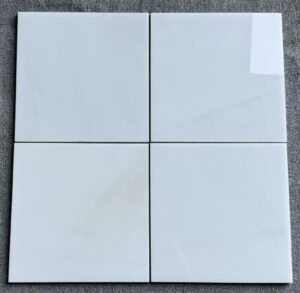
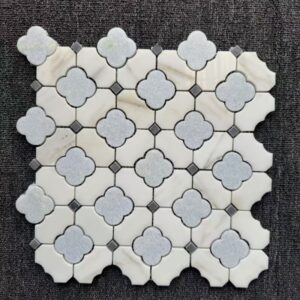
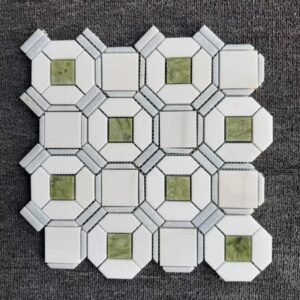
In the ever-evolving world of interior design, innovation plays a crucial role in shaping the aesthetics of modern spaces. One such breakthrough material that has been gaining popularity in recent years is marble bubble tiles. These tiles are not just a fusion of marble’s timeless elegance and modern design techniques, but also a symbol of how the architectural industry is embracing new textures, styles, and functionality. This article explores what marble bubble tiles are, how they are made, their applications, and why they are quickly becoming a preferred choice for many designers and homeowners.
The Concept of Marble Bubble Tiles
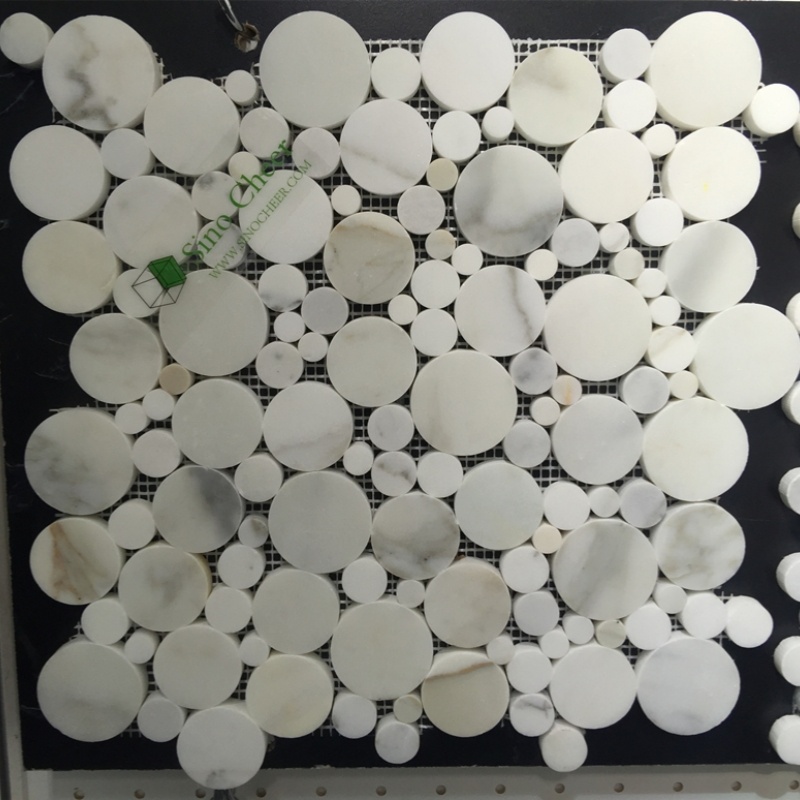
Marble bubble tiles represent a unique blend of classic marble’s sophisticated look and a modern, playful twist in their texture. As the name suggests, these tiles are made from high-quality marble, but with a distinct, embossed bubble effect on the surface. This effect gives the tile a 3D appearance, making it stand out from traditional smooth or glossy tiles. The "bubbles" are strategically designed to create a tactile texture that interacts with light in a way that enhances the visual appeal of any room.
The term “bubble” doesn’t refer to literal bubbles; rather, it describes the rounded, elevated forms that appear on the surface of the tile. These formations resemble soft, inflated shapes that bring both visual and physical texture to the surface, adding depth and dimension to the otherwise solid and elegant nature of marble.
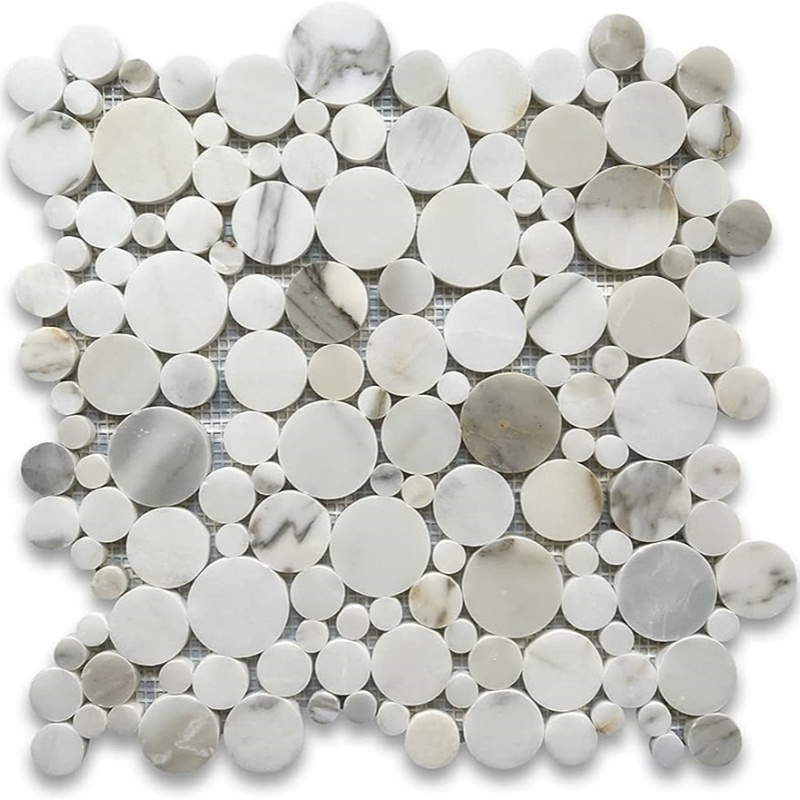
Introduction to the Main Raw Materials of Marble Bubble Bricks
The core raw materials of marble bubble bricks include:
Natural marble powder: Obtained by crushing and grinding natural marble, it retains the luster and texture of natural stone.
Ceramic base: Based on clay, kaolin, and feldspar, it ensures the strength and stability of the brick.
Foaming agent: Produces uniform bubbles during the high-temperature firing process, making the brick lighter.
Reinforcement agents: Such as silicates and cement improve compressive and wear resistance.
Environmentally friendly pigments: Used to adjust the color and pattern of the brick, simulating the decorative effects of natural stone.
This raw material combination retains the natural feel of natural stone while achieving lightweight and functional properties.
Marble Bubble Brick Production Process
The manufacturing process of marble bubble bricks combines ceramic processing with stone recycling technology. The process includes:
Raw material pretreatment: Marble powder, clay, and other auxiliary materials are mixed in appropriate proportions.
Molding and pressing: The bricks are formed through molds to ensure uniform specifications. High-temperature firing: Sintered in a kiln at approximately 1200°C, the foaming agent releases gas during this process, forming a microporous structure.
Cooling and cutting: After firing, the tile cools, followed by surface cutting and trimming.
Surface treatment: Polishing, frosting, and anti-slip treatments are available to meet various decorative requirements.
Quality inspection and packaging: Dimensions, water absorption, and compressive strength are inspected, and qualified tiles are packaged and shipped.
This process not only ensures lightweight tiles but also enhances their decorative and functional properties.
Common sizes and specifications of marble bubble tiles
Common sizes of marble bubble tiles on the market include:
300×300mm: Suitable for small areas or localized decoration;
600×600mm: Most common, suitable for living rooms, dining rooms, and commercial spaces;
800×800mm: Commonly used in large spaces, enhancing the sense of spaciousness;
1200×600mm: Suitable for high-end residences, hotel lobbies, and other spaces. Typically 10–15mm thick, it weighs approximately 30%–40% less than traditional marble tiles.
Differences between marble bubble tiles and regular marble tiles
| Comparison Item | Marble bubble brick | Ordinary marble tiles |
| Material | Marble powder + ceramic base material + bubble structure | Natural marble cutting |
| Weight | Lightweight and easy to install | Heavy, difficult to transport and construct |
| Price | Relatively moderate | high |
| Water absorption | Low, strong waterproof performance | High, easy to seep water |
| Strength | Excellent compression and wear resistance | Natural stone has uneven strength |
| Maintain | Easy to clean, good stain resistance | Regular waxing maintenance is required |
Are marble bubble tiles non-slip and waterproof?
Slip resistance: After sanding or special anti-slip treatment, the coefficient of friction can meet standards for use in public spaces.
Waterproofness: The tiles have uniform internal pores and a water absorption rate of less than 0.5%, effectively preventing water seepage.
This makes them safe for use in bathrooms, kitchens, and commercial spaces.
Is marble bubble tile installation difficult?
Compared to traditional marble, marble bubble tiles are lightweight and easy to install:
Substrate preparation: Similar to ceramic tiles, the floor or wall surface must be smooth.
Laying method: Tile adhesive or cement mortar can be used for fixing.
Labor requirements: Ordinary workers can complete the task, eliminating the need for specialized stone workers.
Installation efficiency: Lightweight and standardized specifications ensure efficient installation.
This makes them advantageous for both construction and home renovations.
Is marble bubble tile easy to clean?
Bubble marble tiles have a glazed or polished surface, making them highly stain-resistant.
Daily cleaning can be done with a damp cloth or a neutral detergent.
For oily or grimy stains, use a specialized tile cleaner.
Regular waxing, like that required for natural marble, is not required.
Overall, cleaning and maintenance costs are relatively low.
Are bubble marble tiles expensive?
Prices vary depending on brand, specifications, and craftsmanship:
Low-end products: $16–35/㎡;
Mid-range products: $35–56/㎡;
High-end custom products: $56/㎡ and above.
Compared to natural marble (which can easily cost over a thousand yuan/㎡), bubble marble tiles offer a more cost-effective solution.
Manufacturing Process
The production of marble bubble tiles involves advanced technology and meticulous craftsmanship. The process begins with selecting high-quality marble slabs, typically sourced from renowned quarries that specialize in fine stones. Once the marble is procured, it undergoes a thorough polishing to highlight its natural veining and coloration. This step ensures that the marble’s intrinsic beauty remains intact, even after the tiles are embossed with bubbles.
The next stage is the creation of the bubble effect. Specialized machines are used to precisely emboss the marble surface with rounded, raised shapes. These machines employ techniques that manipulate the surface of the marble without damaging its structure, creating a series of bubble-like contours that remain smooth to the touch. The raised areas are then carefully smoothed to maintain the integrity of the stone while still achieving the desired texture. The result is a tile that combines the hardness and luxury of marble with a striking tactile surface that elevates any room.
Advantages of Marble Bubble Tiles
- Aesthetic Appeal: One of the most significant advantages of marble bubble tiles is their ability to transform a space. The bubbles create a playful, dynamic texture that contrasts with the often-static look of conventional marble. This texture catches light in different ways, changing the tile’s appearance depending on the angle of the light. In some settings, the bubbles might give off a soft, almost ethereal glow, while in others, they might create a bold, dramatic look. This flexibility allows designers to use marble bubble tiles in various ways, depending on the desired atmosphere.
- Versatility: While marble is traditionally associated with luxurious, classic spaces, they offer a contemporary twist that makes them suitable for a range of design styles. From minimalist and modern to more eclectic and maximalist interiors, they can complement a wide variety of aesthetics. Their three-dimensional surface makes them ideal for use as feature walls, backsplashes, or decorative elements in bathrooms, kitchens, living rooms, and even outdoor spaces.
- Durability and Longevity: Marble is known for its durability, and this quality extends to marble bubble tiles. The natural hardness of marble makes these tiles resistant to wear and tear, which is especially important in high-traffic areas like kitchens and hallways. The tiles are also heat-resistant, making them suitable for use around fireplaces, stoves, and other heat-producing areas. In addition, marble is naturally resistant to staining, which makes marble bubble tiles an excellent choice for spaces that require both beauty and practicality.
- Unique Texture: The raised bubble effect not only enhances the tile’s appearance but also adds a tactile dimension to the surface. This texture can make a room feel more dynamic and engaging. It can be particularly effective in spaces where touch and movement are important, such as in art galleries or exhibition spaces. The texture also offers acoustic benefits by diffusing sound and reducing echoes, making it an excellent choice for larger, open-plan spaces.
- Easy Maintenance: While marble may require some upkeep, the maintenance needs of they are relatively simple. Regular cleaning with a soft cloth and gentle cleaning solutions will help preserve their beauty for years to come. It is important, however, to avoid harsh chemicals or abrasive scrubbing pads, as these can damage the surface or dull the marble’s natural shine.
Applications of Marble Bubble Tiles
They have been embraced by both residential and commercial designers due to their versatility and distinct visual appeal. Here are some of the most common applications:
1. Feature Walls
One of the most striking uses for marble bubble tiles is as a feature wall. The raised bubble texture creates an eye-catching focal point in any room, whether it's in the living room, bedroom, or hallway. The effect is particularly dramatic in spaces with good natural light, as the texture changes throughout the day with shifting shadows and reflections.
2. Backsplashes
In kitchens and bathrooms, they can be used as backsplashes. They not only provide a sophisticated and timeless aesthetic but also offer practical benefits by being easy to clean and maintain. The bubbles also make these tiles a more engaging option than traditional flat tiles, adding an element of surprise and fun.
3. Flooring
Though less common, marble bubble tiles can be used as flooring in certain settings. They work especially well in areas where a high-end, luxurious feel is desired, such as in boutique hotels or upscale commercial spaces. The raised texture provides an interesting visual contrast to flat flooring surfaces, though they may require more care and maintenance in high-traffic areas due to the texture’s potential to collect dirt and debris.
4. Shower Walls
In bathrooms, they can be used on shower walls, offering both style and functionality. The three-dimensional effect can create a spa-like atmosphere, enhancing the feeling of luxury and relaxation in the space. Additionally, the textured surface provides extra grip, making it a practical choice for wet areas.
5. Accent Pieces
They can be used to create small accent pieces such as table tops, decorative panels, or art installations. Their ability to interact with light and texture allows for the creation of unique, one-of-a-kind pieces that add character and sophistication to any space.
A Complete Guide to Bubble Marble Tile Maintenance
Daily cleaning: Use plain water or a neutral detergent.
Avoid strong acids and alkalis to prevent damage to the surface glaze.
Avoid heavy impacts to prevent cracking.
Regularly inspect the crevices and repair any looseness or cracks.
Long-term maintenance: Waxing is not necessary, but an anti-seepage agent can be used to improve durability.
Why Choose Marble Bubble Tiles?
There are several reasons why marble bubble tiles are quickly becoming a sought-after material for both residential and commercial design projects. Their unique texture and luxurious appearance make them ideal for creating modern, sophisticated spaces. At the same time, the material retains all the practical benefits of traditional marble, including durability, ease of maintenance, and timeless elegance.
Furthermore, they offer designers and homeowners a way to create a striking contrast within their spaces. The dynamic, textured surface creates a sense of movement and life within otherwise static rooms, making them an excellent choice for those looking to make a bold statement without compromising on sophistication.
Conclusion
Marble bubble tiles are an innovative and visually captivating design element that combines the timeless beauty of marble with a modern twist. Their unique tfexture, durability, and versatility make them a popular choice for a variety of design applications, from feature walls to backsplashes and beyond. Whether you're designing a residential or commercial space, they can transform a room, adding depth, light, and texture. As the demand for more dynamic and tactile surfaces continues to rise, they are likely to remain a key trend in the world of interior design.