Marble has long been cherished for its aesthetic appeal and durability, making it a popular choice in architecture and interior design. Among the various types of marble, Green Ming Marble stands out for its unique color and distinctive characteristics. This article will delve into the main features of it, examining its composition, appearance, uses, and maintenance.
1. Composition of Green Ming Marble
It is a metamorphic rock primarily composed of calcite, dolomite, or serpentine. These minerals undergo a transformation under high pressure and temperature, resulting in the formation of this elegant stone. The distinctive green hue is primarily due to the presence of chlorite and serpentine minerals, which can vary in intensity and shade. The unique geological conditions under which Green Ming Marble is formed contribute to its captivating coloration and veining patterns.
1.1 Mineral Composition
The main minerals found in Green Ming Marble include:
- Calcite: A common mineral in many types of marble, calcite contributes to the stone's hardness and durability.
- Dolomite: Similar to calcite, dolomite enhances the stone's strength while providing a unique texture.
- Serpentine: This mineral is responsible for the green coloration and can influence the overall appearance of the marble.
- Chlorite: Often found in varying amounts, chlorite can add depth to the green tones of the marble.
1.2 Formation Process
The formation of Green Ming Marble typically occurs in specific geological environments where limestone and other sedimentary rocks are subjected to metamorphic conditions. This process can take millions of years, resulting in a stone that is not only beautiful but also rich in geological history.
2. Aesthetic Features
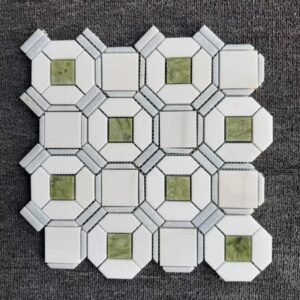
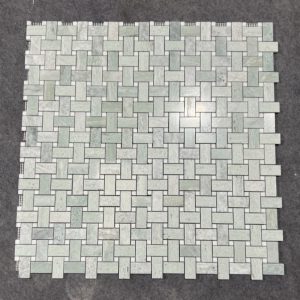
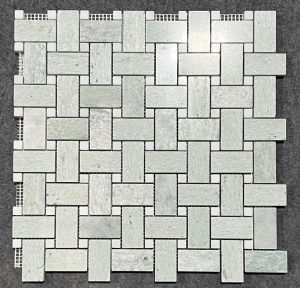
One of the most appealing aspects of Green Ming Marble is its aesthetic qualities. The stone is known for its striking green color, which can range from a deep emerald to a lighter, softer hue. These variations are often accompanied by intricate veining and patterns, making each slab unique.
2.1 Color Variations
The color of they can differ significantly depending on the quarry from which it is sourced. Some slabs may exhibit:
- Dark Green: Rich and intense, this shade can create a dramatic focal point in any space.
- Light Green: Softer and more subdued, light green slabs provide a more tranquil ambiance.
- Speckled Patterns: Some pieces feature speckles of white or darker green, adding depth and character.
2.2 Veining Patterns
Veins of white, grey, or darker green often traverse the surface of it, creating a dynamic and visually appealing texture. These veins can vary in width and frequency, with some slabs displaying a more uniform pattern while others have a more chaotic, natural appearance.
3. Physical Properties
Green Ming Marble boasts several physical properties that contribute to its desirability as a building material. These include durability, hardness, and resistance to wear.
3.1 Durability
While marble is generally softer than granite, it is known for its impressive durability. It can withstand everyday wear and tear, making it suitable for various applications. However, it is essential to use it in appropriate environments, as excessive impact or pressure may cause chipping or cracking.
3.2 Hardness
On the Mohs scale of mineral hardness, marble typically scores around 3 to 4. With its calcite and dolomite content, this variety tends to fall within this range. This hardness allows it to hold up well under foot traffic, making it a viable option for flooring in residential and commercial spaces.
3.3 Water Absorption and Resistance
Marble is a porous material, meaning it can absorb water and other liquids. This type, while not as absorbent as some softer stones, still requires proper sealing to prevent staining. A high-quality sealant can significantly reduce the risk of water damage and keep the stone looking pristine.
4. Uses of Green Ming Marble
The versatility of Green Ming Marble allows it to be used in various applications, from residential to commercial settings. Its unique color and patterning make it suitable for several design styles, from modern to traditional.
4.1 Flooring
One of the most common uses of green ming marble is in flooring. Its durability and aesthetic appeal make it an excellent choice for both high-traffic areas and luxurious spaces. Whether used in homes, hotels, or offices, marble flooring can elevate the overall design and feel of a space.
4.2 Countertops
It is also popular for kitchen and bathroom countertops. Its unique appearance can serve as a stunning focal point in these areas, while its durability allows it to withstand daily use. However, it is crucial to ensure that the marble is sealed correctly to prevent staining from spills.
4.3 Wall Cladding
Using it for wall cladding can create an elegant and sophisticated look. In both residential interiors and commercial exteriors, marble cladding enhances the overall design, providing a sense of luxury and timelessness.
4.4 Decorative Elements
In addition to larger applications, it is also used for various decorative elements, such as sculptures, vases, and tabletops. Its unique appearance and variety of colors make it an excellent choice for creating bespoke pieces that can enhance any environment.
5. Maintenance of Green Ming Marble
To ensure the longevity and beauty of it, proper maintenance is essential. Regular cleaning and sealing can help preserve its natural appeal.
5.1 Cleaning
When cleaning Green Ming Marble, it is crucial to use pH-neutral cleaners to avoid damaging the surface. Harsh chemicals or acidic substances can etch the marble, dulling its shine. A simple solution of mild soap and water is often sufficient for routine cleaning.
5.2 Sealing
Sealing protects the stone from stains and moisture. It's recommended to reseal every six to twelve months, depending on usage and exposure. A high-quality sealant keeps the surface looking its best and prolongs its lifespan.
5.3 Avoiding Damage
To prevent scratching or chipping, it is advisable to use coasters under glasses, cutting boards for food preparation, and mats in high-traffic areas. Being mindful of these precautions can help maintain the integrity of the marble over time.
6. Conclusion
Green Ming Marble is a captivating and versatile stone that offers both aesthetic appeal and practical benefits. Its unique color variations, durable properties, and wide range of applications make it a favored choice in both residential and commercial design. By understanding its features and maintaining it properly, homeowners and designers alike can enjoy the timeless beauty of Green Ming Marble for years to come. Whether used for flooring, countertops, or decorative elements, this stone continues to enhance spaces with its elegance and charm.