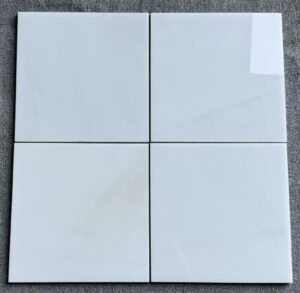
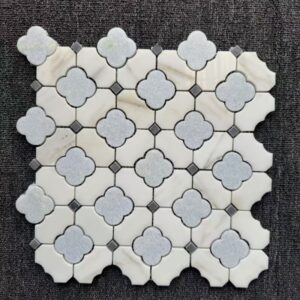
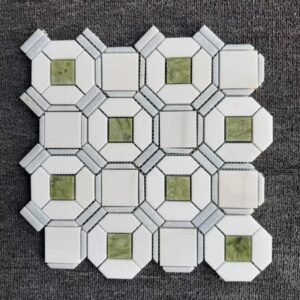
Listello tile are decorative tiles that combine functionality, aesthetics, and environmental considerations. Available in a wide variety of sizes and customizable to meet diverse decorating needs, listello tiles are also simple to install, clean, and maintain, easily adapting to any space and creating a sense of depth.
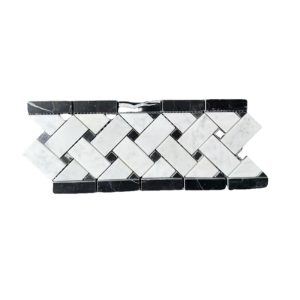
What are listello tiles?
Listello tile is a commonly used decorative tile, most commonly found as decorative strips between wall or floor tiles. It enhances a space, creates a sense of depth, and enhances its aesthetic, making it an essential decorative tile.
Listello tile also has numerous uses. It's not just a decorative material; it can also effectively enhance the overall style and harmony of a space. In modern residential and commercial design, Listello tile is widely used in kitchens, bathrooms, living rooms, hotels, and other spaces.
Its wide range of applications allows it to be paired with a variety of tiles, significantly enhancing the decorative feel of any space.
How to Install listello tiles
The installation steps for listello tiles mainly include the following:
- Measurement and Positioning
First, determine the installation location for the listello tiles based on the wall height. Generally, the installation height should be between 1/3 and 1/2 of the total wall height.
Use a level or plumb line to mark a reference line to ensure accurate installation.
- Base Preparation
Make sure the wall surface is flat, clean, and dry. If there are hollows or uneven areas on the wall, repair them first with putty or cement mortar.
- Apply tile adhesive or cement mortar
Apply an appropriate amount of adhesive according to the size of the listello tiles to ensure even placement.
- Lay the tiles
Align the tile level with the level line and gently press the listello tiles horizontally, maintaining even spacing.
Use a cross-shaped caliper or spacers to ensure consistent joints.
- Adjust and secure the tiles
Adjust the tile surface to ensure smoothness. Gently tap the tile surface with a rubber mallet.
Wait for the adhesive to set before grouting.
What materials are available for slistello tiles?
Listello tiles can be categorized into the following categories based on their material:
Ceramic sash tiles are common and economical, with glazed surfaces for wear resistance and easy cleaning.
Vitrified sash tiles offer high hardness and low water absorption, making them suitable for humid environments such as kitchens and bathrooms.
Natural stone sashes, such as marble and granite, offer a high-end look and natural texture, making them ideal for luxurious spaces.
Imitation stone or composite sashes are relatively low-cost and offer the texture of natural stone, but are easier to process and suitable for modern homes.
Common Sizes of Waistline Tiles
Waistline tiles are typically narrower and longer than standard wall tiles. They come in a variety of sizes, with common sizes including:
Height: 60-150 mm, with a typical height of approximately 80-100 mm.
Length: 200-600 mm, and can be cut to fit the wall's length.
Thickness: Typically 8-12 mm, ensuring a uniform thickness across the entire wall.
Different tile sizes can be chosen to suit different spaces, aligning the overall wall design with the tile size to ensure a harmonious proportion.
Main Functions of listello tiles
Decorative Function
Creating layered areas on walls or floors enhances the sense of spatial depth and visual aesthetics.
Spatial Guidance
Serves as a visual guide, creating a visually stretching or contracting effect.
Functional Protection
Laying tiles along the waistline of kitchens or bathrooms protects the walls from water and oil stains.
Style Unity
Matching the color and texture of the tiles on the entire wall creates a unified style.
Main Applications of listello tiles
Kitchen: Smoke areas and above countertops; listello tiles are easy to clean and stain-resistant.
Bathroom: Vanities and bathroom walls enhance the quality of the space while protecting the walls.
Living/Dining Room: Wall waistlines can be combined with wallpaper or paint to create visual layering.
Commercial Spaces: Wall decoration in hotels, shops, and offices enhances the quality and sense of spatial depth.
How to Determine the Installation Height and Position of listello tiles
General Wall Height Division
Wall heights of approximately 2.4 meters are typically installed at a height of 80-100 cm. Visually Beautiful.
The height can be fine-tuned to match the height of furniture, countertops, or cabinets for a harmonious visual proportion.
Functional Considerations
Above kitchen countertops, it can be laid 15-20cm above the countertop for easy cleaning.
Features of listello tiles
The narrow, elongated design makes it suitable for layered wall decoration.
A variety of colors and textures allow for a rich combination with wall tiles.
Can be cut to fit different wall lengths.
Combining decorative and practical features, it is both aesthetically pleasing and protective.
Advantages of listello tiles
Aesthetics: Enhances spatial depth and enhances the three-dimensionality of the wall.
Functionality: Protects the wall and is waterproof and stain-resistant.
Variety: Flexible choice of materials, colors, and sizes.
Easy Installation: Combines with regular wall tiles for a quick and complete decoration.
How to Pair with Other Tiles
Color Combinations
The waistline color can be one or two shades darker than the wall tiles to enhance the sense of depth.
Contrasting colors can be used to create a focal point.
Texture Combinations
Glossy wall tiles paired with matte waistlines add depth.
Texture Differences
Patterned or striped sash tiles can be combined with solid-color wall tiles for a richer visual effect.
Space Coordination
Bright sash tiles can be chosen in kitchens and bathrooms to enhance the space's brightness.
Living rooms can use natural stone patterns or antique sash tiles to create an upscale atmosphere.
Cleaning and Maintenance
Daily Cleaning: Wipe the sash tile surface with a damp cloth to prevent dust and grease accumulation.
Oil Removal: In kitchens and bathrooms, use a neutral detergent; avoid strong acids or bases.
Preventing Scratches: Avoid sharp objects on the sash tile surface.
Regularly check: Ensure the grout is intact to prevent tile peeling and water seepage.
Conclusion
Listello tiles are not only a wall decoration material but also a key element in enhancing the aesthetics and functionality of a space. Through the combination of size, material, and color, they play an important role in wall layering, visual guidance, and stain protection.
Whether in a home kitchen or bathroom, living room, or commercial space, the proper selection and installation of sash tiles can enhance the overall decorative effect and quality of the space.
By understanding the materials, sizes, installation methods, and matching techniques of listello tiles, consumers and designers can achieve wall designs that are both beautiful and practical while facilitating daily cleaning and long-term maintenance.