Marble has been celebrated for thousands of years as a symbol of elegance, durability, and timeless design. From ancient Greek temples to Renaissance cathedrals, marble has always carried an air of prestige. In today’s world of interior design, marble remains a preferred choice, but modern homeowners and designers often seek a way to blend classic natural stone with contemporary practicality. That is where tumbled marble mosaic tile enters the picture.
Unlike polished marble, which reflects light with a glossy sheen, tumbled marble title offers a softer, more rustic appearance. Its surface tells a story of weathering, resembling the worn stones found in old European villas or Mediterranean courtyards. When this material is shaped into mosaics—small, versatile tiles arranged in sheets—it becomes a highly flexible option for walls, floors, and decorative accents.
This article explores what tumbled marble mosaic tile is, how it is produced, its unique features, and why it continues to be a sought-after choice in modern interior and exterior projects.
What Is Tumbled Marble Mosaic Tile?
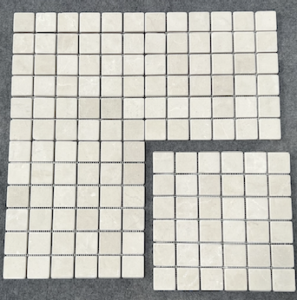
Tumbled marble mosaic tile is essentially marble stone that has been mechanically aged through a tumbling process and then cut into smaller pieces, often mounted on mesh backing for easy installation. The tumbling method softens the sharp edges of cut marble and roughens its surface, creating a more weathered, antique look.
Key characteristics include:
Rounded edges instead of sharp, machine-cut corners
Matte, textured finish rather than a high polish
Natural variation in color and veining, giving each tile individuality
Slip resistance, making it practical for areas that may get wet
When cut into mosaic form, these tiles typically measure between one to four inches each. The small scale allows for flexible layouts, curved applications, and detailed designs. This makes them popular for backsplashes, shower floors, and decorative borders.
How Is Tumbled Marble Mosaic Tile Made?
The process of creating tumbled marble mosaic tile involves several steps that transform raw stone into an attractive, user-friendly building material.
- Quarrying and Cutting
The journey begins at marble quarries, where large blocks of stone are extracted. These blocks are cut into smaller pieces that are manageable for further processing.
- Initial Shaping
The marble pieces are roughly cut into the desired dimensions for mosaics. Unlike polished marble slabs, precision is less critical at this stage since the tumbling process will soften the finish.
- Tumbling Process
This is the defining stage. The marble pieces are placed in large rotating drums filled with abrasives such as sand, water, and sometimes mild acids. As the drum rotates, the tiles collide with one another and the abrasives, which gradually wear down sharp edges and polish away surface gloss. The result is a softened, timeworn appearance.
- Mounting
After tumbling, the marble pieces are sometimes attached to mesh sheets to form 12 x 12 panels. This makes installation easier, especially for mosaics with small or irregularly shaped pieces.
- Sorting and Finishing
Tiles are inspected for quality and sorted by size and color consistency. Some manufacturers may pre-seal the tiles before packaging, although most are shipped unsealed so installers can apply a preferred sealer.
This production method highlights why tumbled marble mosaic tile has such a distinctive look compared to polished marble or ceramic imitations.
Unique Features of Tumbled Marble Mosaic Tile
One of the reasons tumbled marble mosaic tile has remained popular is its combination of natural aesthetics and practical qualities.
- Softened Edges: The rounded corners make the tile safer to walk on barefoot, especially on shower floors or pool decks.
- Rustic, Antique Character: The matte, uneven surface recalls historic architecture and natural stone weathering.
- Textural Interest: Light plays differently on tumbled marble, producing depth without the mirror-like shine of polished finishes.
- Slip Resistance: The porous, roughened texture provides better grip underfoot, making it a smart choice for wet environments.
- Natural Variation: Each tile carries unique patterns, veining, and tonal shifts, which collectively create a visually rich surface.
Why Designers and Homeowners Choose Tumbled Marble Mosaic Tile
The appeal of tumbled marble mosaics goes beyond simple function. They cater to design philosophies that value authenticity, history, and comfort.
1、Timeless Aesthetic
The weathered look of tumbled marble pairs beautifully with Mediterranean, Tuscan, or rustic farmhouse styles. It creates warmth and character in spaces that might otherwise feel too modern or sterile.
2、Versatility
Neutral shades such as ivory, beige, cream, and soft gray allow these tiles to blend seamlessly with a wide range of color palettes. Whether used as a kitchen backsplash, a bathroom floor, or an accent wall, they adapt well.
3、Balance Between Old and New
Tumbled marble offers a bridge between historical charm and modern construction methods. It evokes the feeling of age while fitting neatly into contemporary design schemes.
4、Practical Comfort
Unlike polished stone, tumbled marble doesn’t feel slippery or overly cold. Its texture feels more natural underfoot, adding to its appeal in bathrooms and outdoor patios.
Applications of Tumbled Marble Mosaic Tile
Tumbled marble mosaics are extremely versatile, and their applications span both interior and exterior spaces.
- Bathrooms: Ideal for shower floors due to slip resistance. They also add elegance to walls and vanity backsplashes.
- Kitchens: A classic choice for backsplashes, offering a neutral but textured backdrop that pairs well with granite or quartz countertops.
- Fireplace Surrounds: Adds warmth and old-world charm to living rooms.
- Outdoor Patios: Suitable for walkways, garden paths, or poolside decking, where durability and slip resistance are important.
- Accent Features: Borders, inlays, and decorative mosaics in entryways or living spaces.
Each application leverages the unique combination of beauty and practicality offered by tumbled marble mosaic tile.
Advantages of Tumbled Marble Mosaic Tile
- Natural Beauty: No two tiles are exactly alike, ensuring a truly unique installation.
- Slip Resistance: The roughened texture improves traction, making it safe for bathrooms and outdoor spaces.
- Durability: When sealed properly, marble lasts decades with minimal wear.
- Versatility: Works in both traditional and modern settings, depending on design choices.
- Timeless Appeal: Unlike trendy synthetic finishes, marble never goes out of style.
Disadvantages and Considerations
Despite its strengths, tumbled marble mosaic tile also comes with some drawbacks that consumers must weigh.
- Porosity: Marble is more absorbent than porcelain or ceramic, requiring sealing to resist stains.
- Maintenance: Regular resealing is necessary to protect against water and oils.
- Cost: Natural stone is generally more expensive than ceramic lookalikes.
- Aesthetic Fit: The rustic finish may not suit ultra-modern or minimalist interiors that demand sleek, reflective surfaces.
These factors don’t negate the value of tumbled marble mosaics, but they highlight why proper planning and care are essential.
Care and Maintenance Guide
Maintaining tumbled marble mosaic tile is straightforward with the right practices.
- Sealing: Apply a penetrating sealer after installation and reseal every 1–2 years.
- Cleaning: Use a pH-neutral cleaner designed for natural stone. Avoid acidic products such as vinegar or lemon juice, which can etch the surface.
- Daily Care: Wipe up spills promptly, especially oils or colored liquids.
- Grout Care: Because mosaics have more grout lines, sealing the grout is as important as sealing the stone.
- Long-Term Maintenance: Regular dusting, occasional resealing, and careful cleaning will keep tumbled marble beautiful for decades.
Comparison With Other Tile Materials
- Tumbled vs. Polished Marble: Polished marble offers a glossy, luxurious look but is slippery when wet. Tumbled marble sacrifices shine for texture and slip resistance.
- Tumbled Marble vs. Porcelain: Porcelain mimics stone at a lower cost and requires less maintenance, but it lacks the authenticity and natural variation of real marble.
- Tumbled Marble vs. Travertine: Travertine also has a rustic appearance, but its larger pores often require more filling and maintenance than marble.
Environmental and Sustainability Factors
Marble quarrying has an environmental impact, but because stone installations can last for decades or even centuries, they contribute less waste compared to disposable or short-lived building materials. Consumers can further reduce impact by:
- Choosing locally sourced marble when possible
- Using eco-friendly sealers and cleaners
- Designing timeless spaces that minimize the need for renovation
Frequently Asked Questions
Is tumbled marble slippery when wet?
Less so than polished marble, thanks to its textured finish.
Does tumbled marble mosaic need to be sealed?
Yes. Sealing is crucial to protect against moisture and stains.
How long does tumbled marble last?
With proper care, it can last for generations.
Is tumbled marble good for showers?
Yes, particularly for shower floors due to slip resistance.
Can you use tumbled marble outdoors?
Absolutely, though sealing and climate considerations are important.
What grout looks best with tumbled marble?
Neutral or matching grout colors are typically recommended to highlight the stone’s natural beauty.
Conclusion
Tumbled marble mosaic tile is a versatile and timeless design material that blends the beauty of natural stone with the practicality of a textured, slip-resistant surface. Its weathered look evokes history and character, while its mosaic format allows endless design creativity.
Although it requires sealing and regular care, the benefits—natural beauty, durability, and unique charm—make it a favorite among homeowners, designers, and builders. For those seeking a material that balances rustic authenticity with modern functionality, tumbled marble mosaic tile remains a classic choice that will never go out of style.