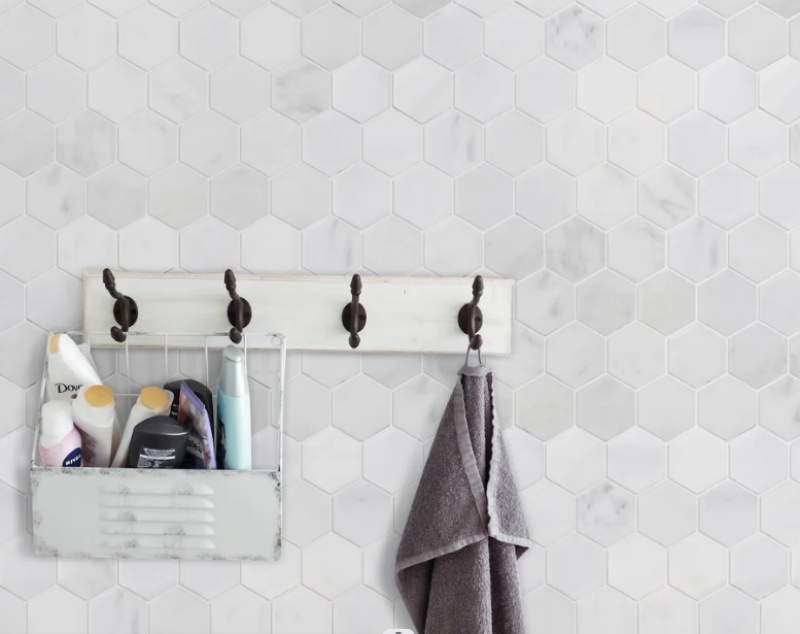
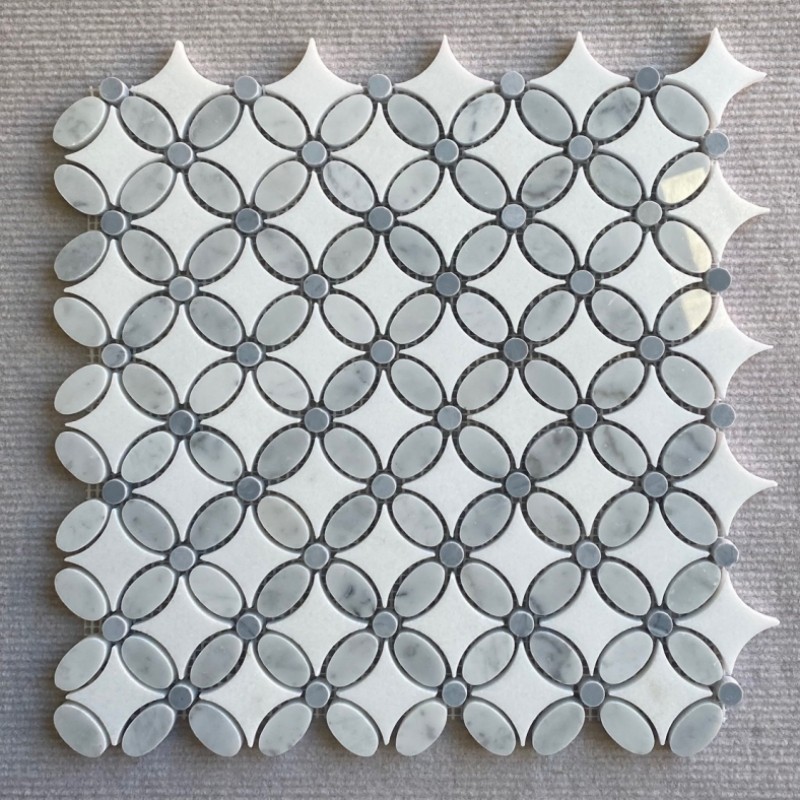
Listello tiles are a very commonly used decorative material. They have multiple functions and a wide range of applications. They also have various functions that can effectively enhance the sense of space and beauty. Different materials, different sizes and different combinations will bring you different visual experiences. If you want to know more about the installation and maintenance techniques of waistline tiles, come here and have a look.
What are listello tiles?
Listello tiles are decorative tiles, typically used in the middle or in specific areas of a wall to divide, connect, and decorate. They are often shaped like long, narrow strips, thinner than regular tiles, and their design emphasizes aesthetics and decorative features. listello tiles not only enhance the overall decor but also create visual layering, embellishment, and spatial extension. Therefore, they are widely used in kitchens, bathrooms, living rooms, and commercial spaces.
Listello tiles are crafted from a variety of materials, each offering unique characteristics
**Ceramic**: A popular and budget-friendly choice, ceramic listello tiles are available in a wide range of vibrant colors. They boast a glazed surface that enhances their stain resistance.
**Vitrified**: Known for their hard and durable nature, vitrified tiles have minimal water absorption, making them ideal for moisture-prone areas like kitchens and bathrooms.
**Natural Stone**: Materials such as marble or granite lend a sophisticated, upscale appearance. However, these options tend to be more expensive.
**Glass or Metal**: These modern styles are often found in contemporary or trendy interior designs.
**Composite**: Designed to mimic the look of natural stone or wood, composite listello tiles are cost-effective and straightforward to install.
What sizes are available for listello tiles?
Listello tiles are typically smaller than regular wall tiles, offering greater sizing flexibility and ease of matching. Common sizes include:
Heights: 60mm, 80mm, 100mm, 120mm, etc.
Lengths: 200mm, 300mm, 600mm, etc.
Thickness: Generally between 8-12mm, similar to the thickness of regular wall tiles, ensuring smooth installation.
These sizes can be flexibly selected based on wall height and overall design style.
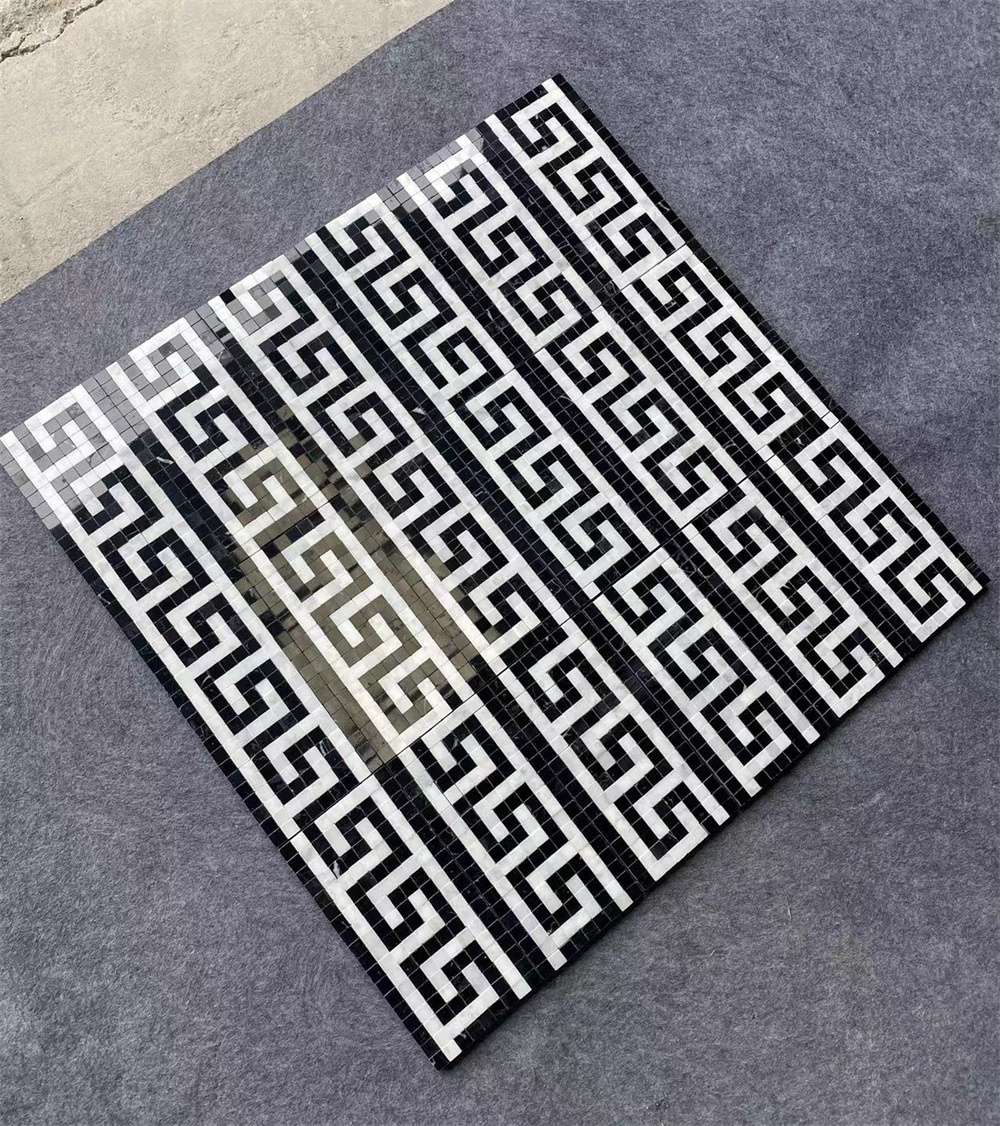
Listello tile Matching Concepts
Listello tiles emphasize color contrast and style unity in matching:
Same-Color Matching: Maintaining the same hue as the wall tiles highlights the beauty of details.
Contrasting Color Matching: Using contrasting light and dark colors enhances the sense of depth in a space.
Pattern Embellishment: Adding patterned waistlines to large, plain wall tiles avoids monotony.
Mixed Design: Incorporating wood grain, stone texture, and metal elements creates a personalized effect.
Listello tiles serve several key functions:
**Decorative Enhancement**: They add visual interest and depth to a space, breaking up monotony on wall surfaces.
**Spatial Definition**: These tiles help delineate areas within a space, offering a clearer and more organized layout.
**Functional Safeguard**: Commonly used as waistline accents in kitchens and bathrooms, they protect walls from stains and moisture-related damage.
**Stylistic Integration**: By harmonizing with the surrounding decor, listello tiles contribute to a unified and cohesive design aesthetic.
Key Uses of Listello Tiles
Kitchen: Listello tiles are frequently utilized as a functional and stylish design feature. They are installed between kitchen cabinets and wall units, serving as a practical solution to prevent staining while offering enhanced durability. Their presence adds a refined touch to the overall decor, seamlessly blending functionality with aesthetic appeal.
Bathroom: These tiles play a significant role in elevating the visual appeal of bathroom spaces. Typically positioned around sinks and shower areas, they act as decorative elements that bring an extra layer of sophistication to the environment while complementing other design features of the room.
Living and Dining Areas: In spaces such as living rooms and dining areas, listello tiles are often placed at mid-wall height, adding an elegant decorative flair. Their use contributes to a unique, visually balanced ambiance, transforming ordinary walls into captivating designs that stand out.
Commercial Environments: Listello tiles are increasingly popular in upscale commercial spaces, such as hotels, clubs, and retail shops. By incorporating these tiles as part of wall decorations, businesses aim to exude an air of luxury and exclusivity, ensuring the surroundings leave a memorable impression on clients and visitors alike.
Unique Features of listello tiles
Unique Size: Narrow and long strips for flexibility and ease of use.
Versatile Styles: Suitable for modern, classic, Chinese, and minimalist styles.
Highly Decorative: Exquisite details enhance the overall style.
Multiple Material Options: From ceramic to stone, suitable for various budgets and needs.
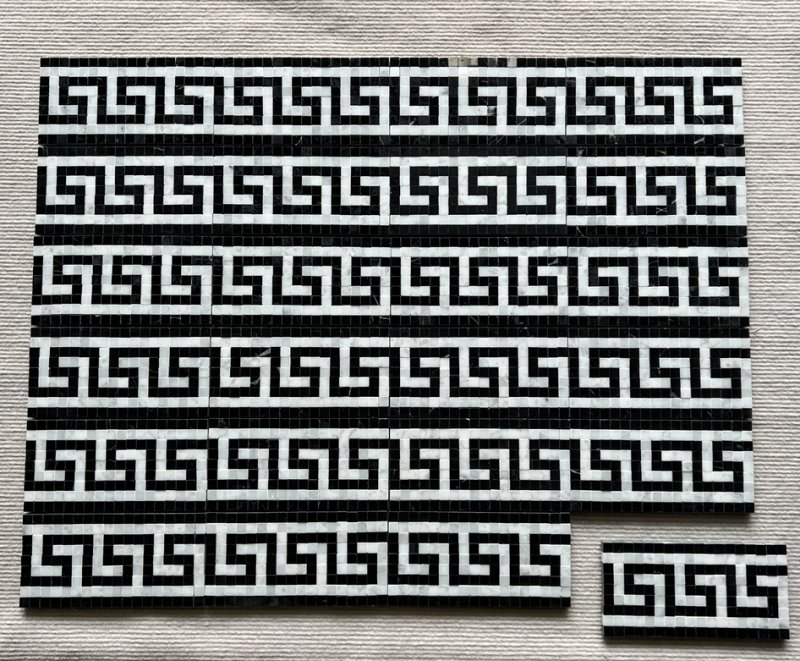
How to determine the installation height and location of listello tiles?
Determining the correct installation height and optimal location for listello tiles involves considering several practical and aesthetic factors.
When it comes to standard height placement, such tiles are typically installed at one-third to one-half of the total height of the wall, which generally translates into around 80 to 100 centimeters from the floor. This range serves as a guideline for achieving balanced proportions that work harmoniously within the dimensions of most spaces.
From a functionality standpoint, their placement varies based on the purpose of the room. In kitchens, listello tiles are commonly installed approximately 15 to 20 centimeters above the countertop, ensuring they align well with the functional work surface while adding a decorative element. In bathrooms, on the other hand, reference points often include the top edge of fixtures such as sinks or toilets to create a visually coherent and practical design.
In terms of visual aesthetics, it is crucial to adapt the installation height according to the surrounding furniture and spatial proportions. This approach ensures that the tiles integrate seamlessly into the overall design without causing visual conflict or abruptness. Factors like cabinet size, mirror placement, or window alignment should be considered when deciding on the specific position. Adjustments may be necessary to create a harmonious look that complements both the architecture and furnishings of the room.
How to Install listello tiles?
Measurement and Positioning: First, draw a horizontal line to ensure the waistline is installed straight.
Substrate Preparation: The wall surface must be flat and free of dust and oil.
Adhesive Application: Apply tile adhesive or cement mortar evenly according to the tile size.
Adhesive Laying and Adjustment: Follow the reference lines and ensure consistent joints.
Joint Fixing: Fill gaps after the adhesive dries to ensure aesthetics and waterproofing.
How to Care and Maintain listello tiles?
Caring for and maintaining listello tiles involves a few essential steps to keep them looking pristine and ensure their longevity:
Daily Cleaning: Use a damp cloth or a gentle, pH-neutral detergent to clean the tiles regularly. This helps prevent the accumulation of dirt and stains.
Deep Cleaning: For tougher stains, opt for a specialized tile cleaner. Avoid using harsh chemicals such as strong acids or alkalis, as they may damage the tiles.
Routine Inspection: Periodically check the grout lines and tile joints to ensure they remain intact. Address any loosening or damage promptly to prevent further complications.
Scratch Prevention: Protect the tile surface by avoiding contact with hard or abrasive objects that could cause scratches or impact marks.
Q&A About listello tiles
- Is it durable and wear-resistant?
Yes, most slatted tiles are made of a hard material that is wear-resistant, pressure-resistant, and moisture-resistant, and will last long with normal use.
- How to clean and maintain?
Just wipe with a neutral detergent and a soft cloth. Avoid using corrosive chemicals.
- How to match with other tiles?
You can choose slatted tiles in tonal, contrasting, or patterned colors to coordinate with regular wall tiles.
- Is it environmentally friendly and healthy?
Both ceramic and stone slatted tiles are environmentally friendly and do not release harmful substances, meeting the requirements of healthy decoration.
- Is installation complicated?
Installation is similar to ordinary tiles. You just need to plan the height and level in advance, which is not complicated.
- What style is suitable for decoration?
It can be used in almost all styles, such as modern minimalist, European classic, Chinese, and rustic.
- What does "listello" mean in tiles?
"Listello" comes from Italian and refers to decorative strips of tile, also known as slatted tiles, often used as decorative dividers on walls or floors.
Conclusion
As a decorative material that combines both functionality and aesthetics, listello tiles occupy a crucial position in modern interior design. They not only enhance the sense of spatial depth and overall aesthetics, but also provide stain protection, protection, and spatial division. By choosing the right material, size, and matching, listello tiles can meet the needs of various decorating styles, achieving both practicality and aesthetics. Whether in a home or commercial space, mastering the installation and maintenance techniques of listello tiles is crucial to truly maximize their value.